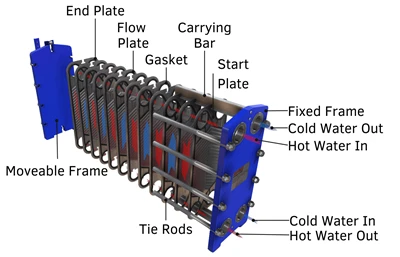
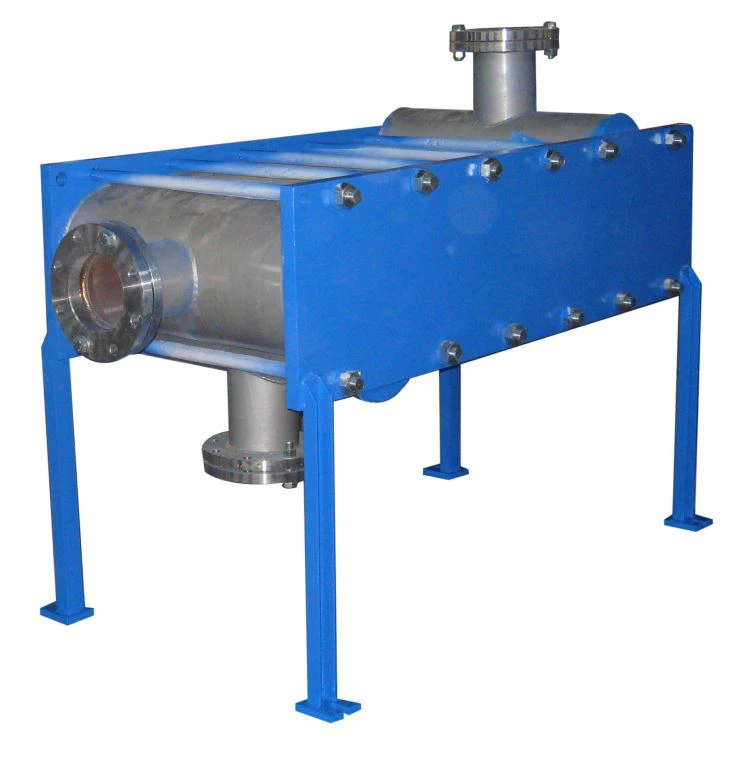
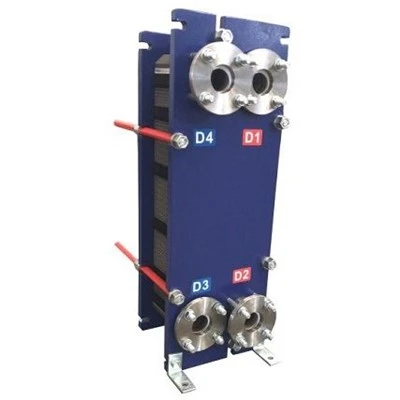
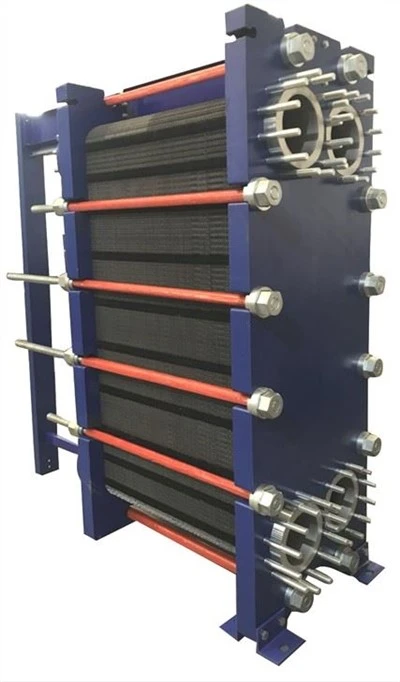
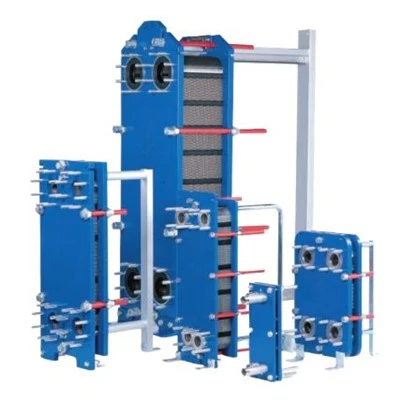
For a reliable gasketed plate heat exchanger selection, provide both process streams, inlet and required outlet temperatures, flow rates, fluid properties, allowable pressure drop and mechanical design requirements. A purchase request that includes only a connection size or estimated heat-transfer area rarely provides enough information for a meaningful thermal design.
Fluid composition, flow rate, inlet temperature and target outlet temperature.
Fluid properties, flow rate, inlet temperature and target outlet temperature.
Allowable pressure drop, operating limits, plate material, gasket compound and connections.
Define the process duty
Start with the hot and cold fluids, their normal and extreme flow rates, inlet temperatures and required outlet conditions. The duty is related to mass flow, specific heat and temperature change. For simple single-phase duties, heat balance can be expressed as Q = m × cp × ΔT, using consistent units; final selection should account for actual fluid properties and possible phase changes.
Set acceptable pressure drop
The thermal design must respect the available pressure on each side. High channel velocity may improve heat transfer but can also increase pressure drop. Give separate allowable pressure-drop limits for the hot and cold streams rather than one combined figure.
Select materials based on the fluids
Identify chloride content where relevant, chemical concentration, cleaning media and any corrosion concerns. Plate material and gasket compound choices require compatibility review. Stainless steel, titanium and various elastomers are not interchangeable across all process conditions.
Send your hot-side and cold-side temperatures, flow rates, allowable pressure drops, fluid data and mechanical requirements to prepare a technical enquiry.
Submit Your Heat Exchanger RFQ →Share mechanical and installation constraints
Provide operating/design pressure, operating/design temperature, connection sizes and orientation, available footprint, expected maintenance access, mounting requirements and local documentation needs. For a retrofit, include current exchanger model and photographs of connections and the surrounding piping.
Understand fouling and operating flexibility
Describe solids or deposits, required cleaning intervals, start-up and turndown conditions and any future capacity changes. Gasketed PHEs are serviceable, but cleaning access and maintenance planning still influence suitable equipment choice.
Avoid common quotation gaps
Do not request a fixed plate count before a thermal check. Do not assume an identical frame or plate footprint is adequate if the process duty changes. Ask suppliers to clarify thermal assumptions, pressure drop, selected material, gasket compound, connection layout and the basis of their proposal.
Copyable RFQ checklist
Hot fluid and cold fluid; flow rates and density/viscosity if available; inlet/outlet temperatures; allowable pressure drop per side; operating/design pressures; cleaning conditions; material preference; connection layout; site installation envelope; application; quantity; destination and required documentation.
Frequently Asked Questions
Can a heat exchanger be sized using only flow rate?
No. Temperatures, fluid properties, available pressure drop and mechanical constraints are also needed.
Is a larger plate area always better?
Not necessarily. Select area together with hydraulic performance, fouling considerations, operating range and cost.
What information is needed when replacing an existing unit?
Provide nameplate, plate/frame details, connection locations, duty data and any performance problems with the current system.
Related products: Heat Exchanger Plates → Heat Exchanger Gaskets → Technical Quotation →
Technical background: WTSML PHE Technical Knowledge archive. Final selection requires complete operating data and engineering verification.