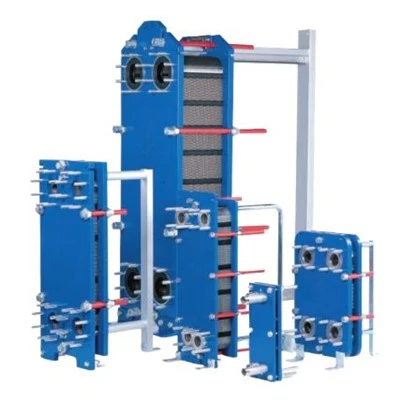
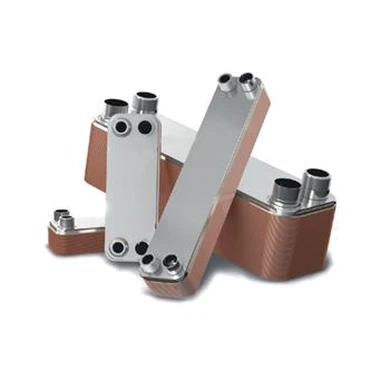
Gasketed plate heat exchangers may be cleaned in place or opened for inspection and manual cleaning, depending on the fouling type, material compatibility and equipment condition. The cleaning method must protect the heat-transfer plates, gasket compounds and connected process. Follow the manufacturer's instructions and the site chemical safety procedure.
Cleaning without opening the plate pack, using an approved fluid, flow rate, exposure and rinse procedure.
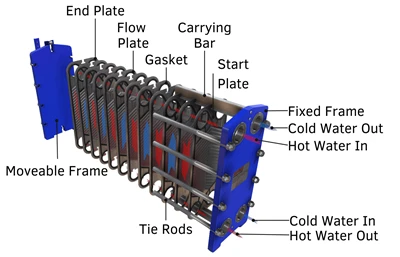
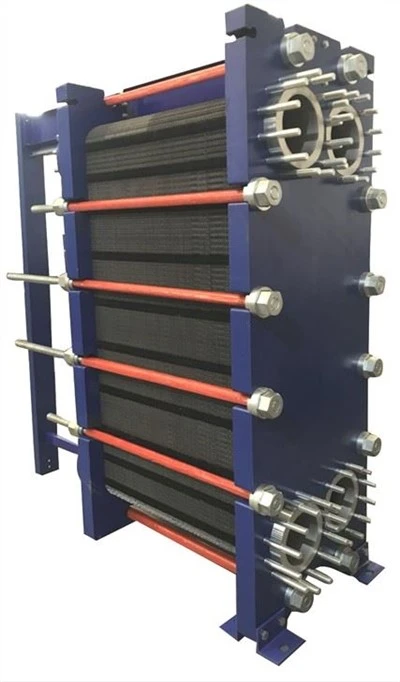
Disassemble only when isolated and depressurized, then inspect and clean plates using approved non-damaging methods.
When does a PHE need cleaning?
A decline in heat-transfer performance, a change in pressure drop or unusual outlet temperatures can be symptoms of fouling. These signals can also reflect changing flow rate or process conditions; compare trends under similar operating conditions before concluding that deposits are the cause.
Clean-in-place (CIP)
CIP circulates an appropriately selected cleaning fluid through the exchanger without opening the plate pack. It may suit deposits that respond to a compatible chemical and the available flow path. Chemical concentration, temperature, flow, exposure time and final rinsing should be defined by the equipment and chemical supplier, not guessed from a universal recipe.
Manual cleaning and inspection
When the exchanger is opened, plates can be visually assessed for scale, particulate deposits, corrosion or mechanical damage. Use non-damaging methods approved for the plate alloy and surface. Avoid abrasive tools or uncontrolled high-pressure jets that could deform thin corrugated plates or damage the sealing groove.
Send the equipment model, fouling symptoms, cleaning history and plate or gasket photographs. We can review replacement component requirements and quotation information.
Request Technical Support & Quote →Material and gasket compatibility
Stainless-steel grades, titanium and other plate materials have different corrosion limits. Elastomer gaskets respond differently to acids, alkalis, solvents and elevated temperatures. A chemical suitable for a plate alloy is not automatically safe for the gasket; both must be confirmed.
Before reassembly
Inspect plates for cracks, pitting and deformation; check gasket elasticity, bonding or retention, and port seals. Restore the correct plate order and tighten to the original specified closing dimension using the prescribed procedure. After maintenance, perform the required inspections and commissioning checks.
What to record for the next cycle
Log inlet and outlet temperatures, flow rates, pressure drops, operating hours, cleaning chemicals and maintenance observations. A repeatable trend helps determine whether fouling control, material changes or component replacement would be more effective.
Frequently Asked Questions
Can I clean a plate heat exchanger without dismantling it?
Often yes, if the equipment and deposit type support an approved clean-in-place procedure.
What cleaning chemical should I use?
There is no universal chemical. Confirm deposit chemistry, plate alloy, gasket compound and manufacturer-approved limits.
Can the plates be pressure-washed?
Follow the specific plate and maintenance guidance; uncontrolled jets can deform plates or damage seals.
Related products: Replacement Plates → Replacement Gaskets → Maintenance Parts Enquiry →
Technical guidance only. Confirm all cleaning chemicals, service limits and procedures against the original equipment documentation.