Pasilac Plate Heat Exchanger Replacement Gaskets
Source non-OEM replacement seals for selected APV Pasilac plate heat exchanger models. The historical product range covers 14 model references from Pasilac 1025 to 1739, with recorded port-center dimensions for identification.
Each gasket enquiry requires confirmation of its sealing contour, plate groove, fastening arrangement and actual service conditions. Available material references include NBR, HNBR, EPDM and selected fluoroelastomers.
Request Pasilac Gasket Quote →
-
![Pasilac Viton Gaskets]() Pasilac Viton GasketsOEM-compatible FKM (Viton®) replacement gaskets manufactured by WTSML for Pasilac plate heat exchangers used in advanced dairy ingredient processing.view more
Designed for production environments handling a wide range of dairy products... -
![Pasilac NBR Gaskets]() Pasilac NBR GasketsOEM-compatible NBR replacement gaskets manufactured by WTSML for Pasilac plate heat exchangers operating in dairy cooling and temperature-controlled processing systems.view more
Designed for production environments that experience... -
![Pasilac EPDM Gaskets]() Pasilac EPDM GasketsOEM-compatible EPDM replacement gaskets manufactured by WTSML for Pasilac plate heat exchangers used in dairy processing applications.view more
Designed for production environments where repeated milk fouling, mineral deposits and routine... -
![Pasilac Compatible Gaskets]() Pasilac Compatible GasketsOEM-compatible replacement gaskets manufactured by WTSML for Pasilac plate heat exchangers used in dairy processing facilities.view more
Designed to support standardized spare parts management across multiple production lines, helping... -
![Pasilac Replacement Gaskets]() Pasilac Replacement GasketsOEM-compatible replacement gaskets manufactured by WTSML for Pasilac plate heat exchangers used in dairy processing upgrades, overhauls and production line expansions.view more
Designed to support reliable recommissioning after equipment... -
![Pasilac Plate Heat Exchanger Gaskets]() Pasilac Plate Heat Exchanger GasketsOEM-compatible replacement gaskets manufactured by WTSML for Pasilac plate heat exchangers used in dairy pasteurization and regenerative heat recovery systems.view more
Designed to support efficient thermal regeneration by maintaining...

Replacing Gaskets in Older Pasilac Plate Heat Exchangers
Keeping an older Pasilac plate exchanger in service often depends on identifying a seal that fits the installed plate pack. A model reference is useful, but not enough to establish complete interchangeability.
The original gasket profile, plate groove, port rings and attachment features must be assessed before an aftermarket replacement is approved. WTSML's historical catalog covers selected equipment models in the 1000 and 1700 series.
- Non-OEM replacement gasket category
- Application: fluid sealing in plate exchangers
- Historical 1025–1739 model references
- Glue-On or mechanical retention, where applicable
- Port routing checked for the actual plate design
Why Port Rings and Plate Geometry Matter
Pasilac gasket profiles need to follow the correct sealing channels and port boundaries. Even when two models share similar external plate proportions, their corner seals or connection routing may differ.
Historical descriptions refer to parallel and diagonal flow arrangements. These terms are relevant to the exchanger's fluid routing but cannot by themselves define the gasket shape.
- Compare port-ring shapes and sealing bridges.
- Check upper and lower plate features.
- Record any unique end-plate gasket positions.
- Photograph the original groove and attachments.
- Confirm the flow arrangement from the actual equipment.


Material Grades for the Actual Process Duty
The earlier Pasilac product information lists NBRB, NBRP, HNBR, EPDM, HT EPDM and Viton A, B and G. Each is a material reference requiring confirmation of the specific compound.
The required formulation depends on exposure to process liquids, cleaning chemicals, operating pressure and temperature cycles. Rubber-family names alone cannot determine a suitable replacement.
- NBRB / NBRP: historical nitrile-grade references
- HNBR: hydrogenated nitrile elastomer family
- EPDM: assess against compatible aqueous media
- HT EPDM: grade-specific temperature verification
- Viton A / B / G: fluoroelastomer references
Pasilac Replacement Gasket Models and HC/VC Dimensions
The 14 model references below retain the numeric values from WTSML's historical product record. HC represents the horizontal distance between port centers; VC is the corresponding vertical center distance. Measurements are expressed in millimeters.
Pasilac 1025–1095 Series
| Pasilac Model | HC (mm) | VC (mm) |
|---|---|---|
| 1025 | 238 | 794 |
| 1050 | 310 | 1237 |
| 1056 | 310 | 1552 |
| 1065 | 310 | 832 |
| 1070 | 150 | 918 |
| 1080 | 150 | 738 |
| 1095 | 70 | 381 |
Pasilac 1715–1739 Series
| Pasilac Model | HC (mm) | VC (mm) |
|---|---|---|
| 1715 | 570 | 1743 |
| 1717 | 570 | 2441 |
| 1727 | 238 | 1484 |
| 1730 | 465 | 915 |
| 1733 | 465 | 1290 |
| 1736 | 465 | 1477 |
| 1739 | 465 | 2415 |
Choose the Correct Glue-On or Clip-On Seal
Different gasket-retention designs can be encountered when servicing older plate heat exchangers. An adhesive-bonded profile requires appropriate surface preparation and a specified bonding system.
A clip-on gasket instead relies on matching mechanical features. The correct option depends on the original plate, not simply the rubber material or customer preference.
- Identify clips, tabs or adhesive marks.
- Check the original gasket groove.
- Confirm fastening positions around the perimeter.
- Use approved installation instructions.
- Do not convert retention systems without verification.


Confirm the Gasket Before Opening a Plate Pack
A pre-maintenance identification review helps avoid ordering the wrong sealing set. The complete exchanger model, original gasket photographs and existing plate details should be prepared before a supply request.
Where a nameplate is missing, dimensional records can narrow the equipment reference, but a sample or approved drawing may still be required.
- Full model and any available part number
- Equipment nameplate and plate-pack photographs
- Gasket outline, port rings and fixing features
- Plate dimensions and relevant embossing
- Process medium, temperatures and cleaning agents
- Quantity, maintenance deadline and destination
Request Replacement Gaskets for Existing Pasilac Equipment
Send the original model, gasket profile, available dimensions, material requirements and planned replacement quantity. Include the process fluid, operating conditions and shipment destination for a more complete quotation review.
Submit Pasilac Gasket RFQ →Prepare Replacement Sets for Planned Plate-Pack Service
Large or legacy exchangers can be difficult to return to operation if replacement seals are not correctly identified before maintenance begins. A planned procurement schedule should account for the equipment population and required gasket count.
When preparing spares, separate different models and compounds. Special plate positions may require a different sealing arrangement from standard channels.
- Check all installed exchanger models.
- Confirm the plate count and gasket requirement.
- Identify special port and end-plate seals.
- Agree packing, order quantity and delivery timing.
- Retain replacement identification records.
Three Conditions for an Acceptable Gasket Replacement
Matching Geometry
Port locations, gasket grooves, retention features and sealing contours must align with the existing plate.
Suitable Compound
Check the specific elastomer formulation against operating fluids, temperature, pressure and cleaning exposure.
Confirmed Order Terms
Agree inspection needs, material documentation, delivery schedule and warranty terms for the actual order.
Frequently Asked Questions
1. Are these original APV Pasilac OEM gaskets?
No. This category describes independent aftermarket replacement components. APV and Pasilac names identify the existing equipment.
2. Can I order a gasket using the Pasilac model alone?
The model is a useful reference, but the original gasket shape, plate groove, fixing system and service conditions should also be verified.
3. What do HC and VC measurements represent?
HC is the horizontal port-center distance and VC is the vertical port-center distance, as recorded in the historical model table. They do not independently prove compatibility.
4. Can a glued Pasilac gasket be replaced with a clip-on type?
Only when the specific plate construction supports that retention system and the replacement has been technically verified.
5. What information should I send for a Pasilac gasket quotation?
Provide the complete model, original gasket and plate photographs, fluid and temperature conditions, desired compound, quantity and delivery destination.
Replacement Plates, Gaskets and Complete Heat Exchangers
During gasket renewal, the condition of the metal plates and their sealing grooves should also be reviewed. Damaged channels or deformed surfaces may require additional component replacement rather than only new elastomer seals.
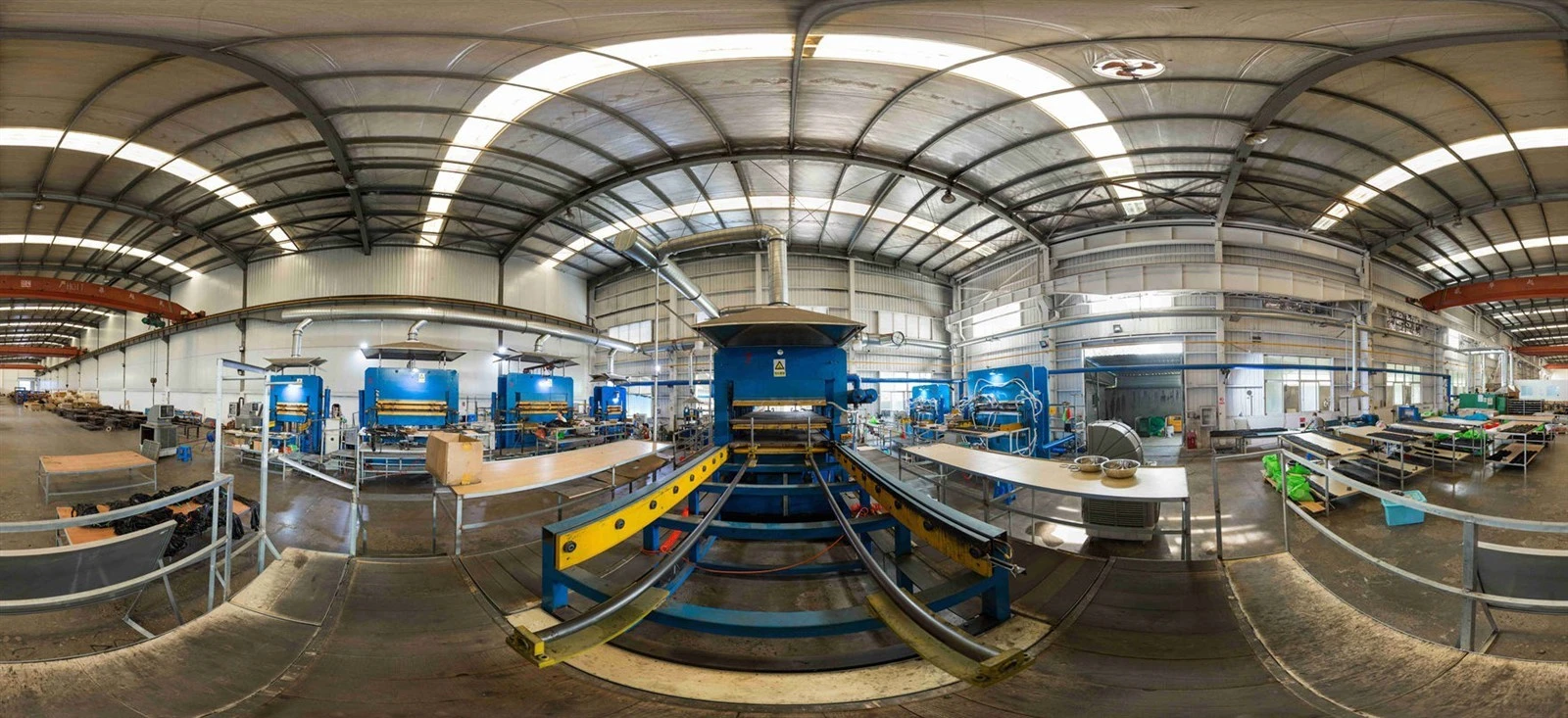
As one of the most professional pasilac gaskets manufacturers and suppliers in China, we have world-leading production equipment and strong manufacturing capabilities. We warmly welcome you to wholesale advanced pasilac gaskets made in China here from our factory. Customized orders are welcome.
Pasilac EPDM Gaskets, pasilac gaskets, Pasilac Replacement Gaskets