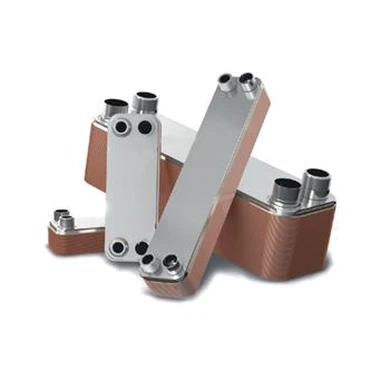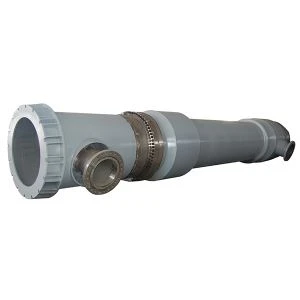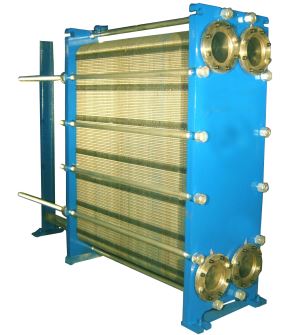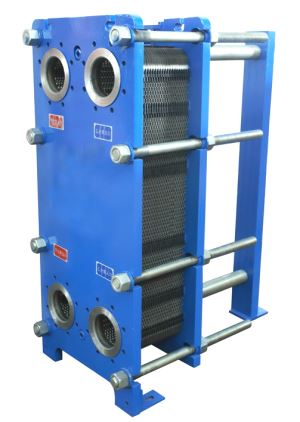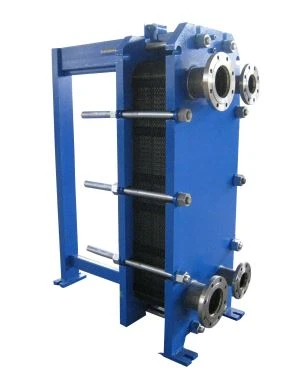

Original WTSML plate heat exchanger selection product image.
Cooling and Temperature Control in Demanding Operating Environments
Engine-room cooling circuits and industrial processing equipment place different demands on a heat exchanger. The appropriate unit must be chosen with the working fluids, available space and real operating range in mind.
This product reference focuses on gasketed plate equipment for shipboard utility systems and selected production heating duties.
For vessel applications, special attention is given to seawater exposure, oil-side behavior, corrosion resistance and maintenance access. Process installations require equally careful control of flow and temperature changes.
Shipboard Heat Exchanger Duties and Design Priorities
A marine installation may connect several thermal services to a central cooling arrangement. These services should not be treated as identical: each imposes its own temperature profile, flow behavior and maintenance requirements.
Main Engine Freshwater Cooling
The engine's freshwater circuit transfers waste heat to a secondary cooling medium. Equipment selection must address coolant flow, permitted temperature rise and operating stability.
Lubricating Oil Cooling
Oil viscosity changes with temperature, affecting the pressure loss through the heat exchanger. The supplier should receive the actual oil grade and operating temperature range before selection.
Auxiliary Machinery Cooling
Independent auxiliary systems may have different circulation rates and heat loads. The design should reflect the actual machinery schedule and cooling source.
Fuel Heating Services
Fuel-conditioning duties require a clearly defined heating medium, target viscosity or delivery temperature, and appropriate process safeguards.

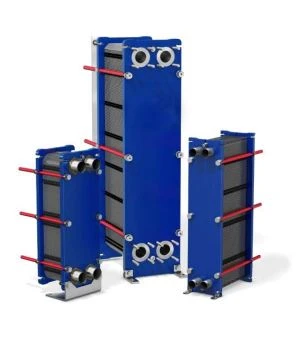
Shipbuilding application image from the earlier WTSML catalog.
Seawater Exposure and Engine-Room Constraints
In seawater-influenced cooling arrangements, chloride concentration and actual operating temperature can strongly affect material compatibility.
Equipment selection should distinguish between the freshwater and seawater sides. Metal alloy, gasket formulation and connection materials need to suit their respective media.
Installation space can be restricted on vessels. Access for inspection, plate-pack opening and safe handling should be evaluated before purchasing the equipment.
Technical References from the Original Product Listing
The previous WTSML page records the following basic equipment options. They are retained for sourcing reference and must be confirmed for each actual model or replacement requirement.
| Equipment Family | Gasketed plate and frame heat exchanger |
|---|---|
| Plate Alloy References | AISI 304, AISI 316L, SMO254, C-276 |
| Maximum Working Pressure | 21 bar (historical product reference) |
| Connection References | Threaded and flanged |
| Equipment Size | Confirmed from selected model |
| Thermal Capacity | Calculated using actual service conditions |
| Gasket Compound | Confirmed against actual fluids and operating range |

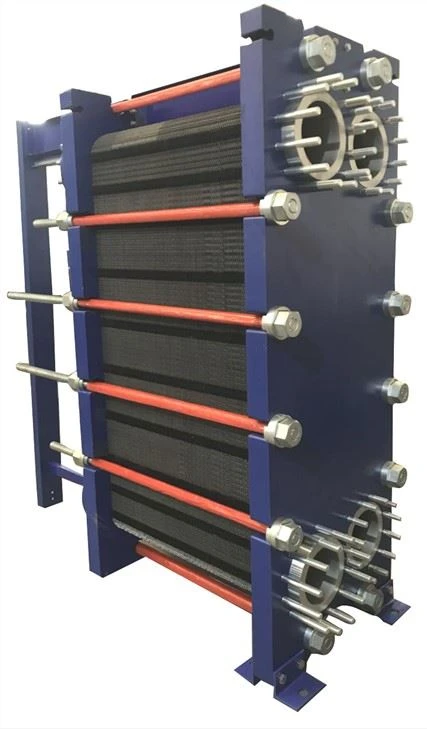
M3–M25 equipment reference image from the historical product page.
Model References Are a Starting Point, Not a Replacement Guarantee
For an existing Alfa Laval exchanger, buyers should start with the complete nameplate designation, serial information and available service documents.
The original catalog contains an M3–M25 reference illustration, but does not provide a verified dimension or compatibility table for each model.
Before considering a replacement unit, compare pipe locations, available mounting space, actual process duty and operating restrictions. A visual similarity is not sufficient to confirm interchangeability.
Why Forced Circulation Matters in Thermal Selection
Many industrial plate exchangers operate with fluid circulation driven by pumps. Fluid movement carries thermal energy through the equipment while heat passes across the metal surfaces.
The rate of heat transfer changes with fluid properties, velocity, channel configuration and the temperature difference between the streams.
Convection at the Fluid Boundary
Moving fluid exchanges thermal energy with the neighboring plate surface. Flow conditions influence this process and its associated hydraulic losses.
Conduction Through the Plate
Energy crosses the solid metal plate separating the circuits. The plate material and thickness form part of the total thermal resistance.
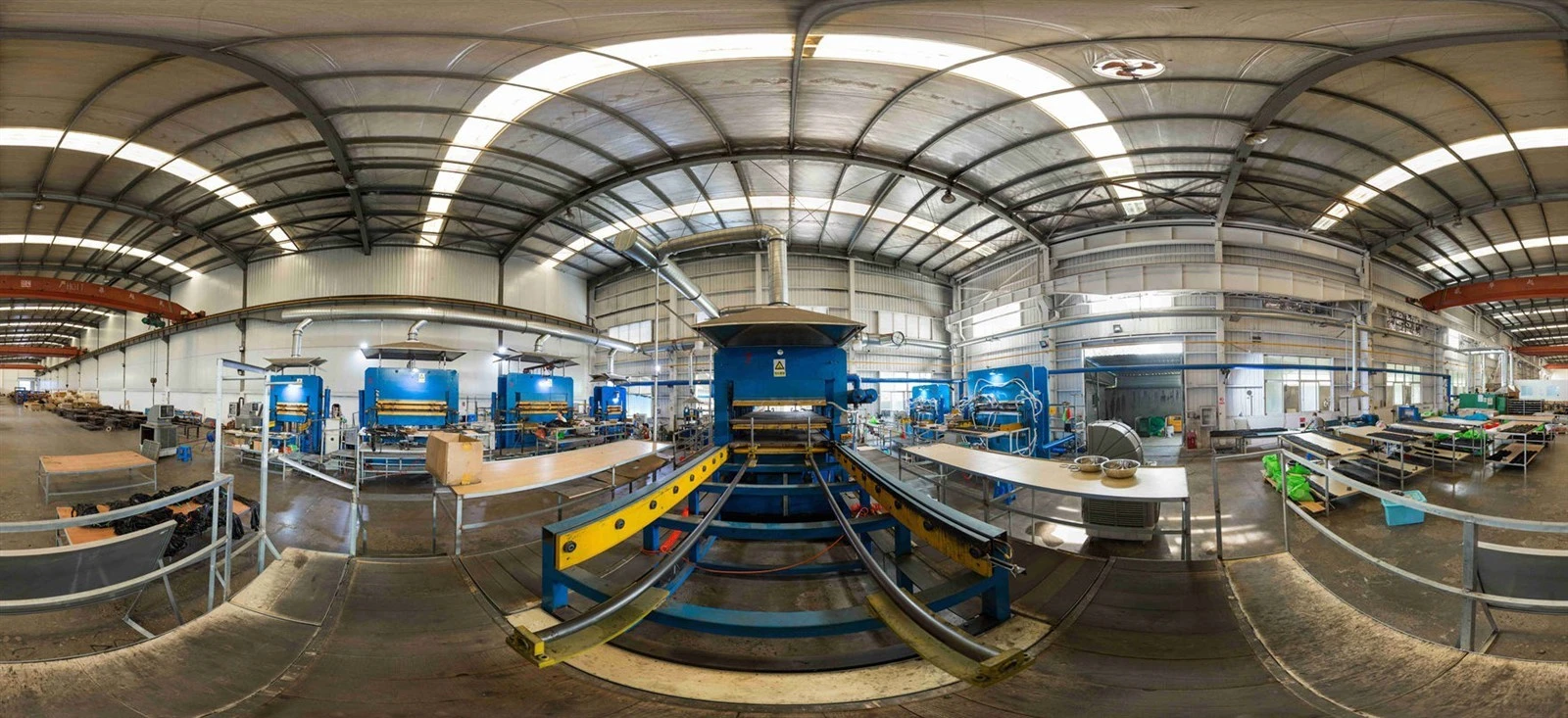
WTSML VR factory photograph. Project-specific manufacturing and test scope require confirmation.
Preparing an Equipment Replacement Enquiry
Vessel maintenance teams should record the existing exchanger configuration before requesting a quotation.
Useful documentation includes an equipment nameplate, original drawings, current connections, mounting dimensions and a description of the cooling duty.
The factory photo provides context for WTSML's industrial supply environment. Actual inspection and manufacturing requirements should be agreed as part of the project specification.
Planning a Marine Cooler Replacement or Process Heating Upgrade?
Send the available equipment information and describe the service you need the exchanger to perform.
Separate Application: Clarified Juice Heating
The historical product documentation also refers to clarified juice heating ahead of an evaporation stage. This is a distinct process application from marine cooling, with different fluid and operating considerations.
Placing the heating unit near its downstream processing equipment may reduce unnecessary pipe runs and temperature loss. However, layout decisions must also consider access, process safety and maintenance.
When the process flow changes, the heating duty may need corresponding control adjustments. Control logic should be engineered to avoid overheating and damaging pressure transients.
Temperature Control
Define the juice feed temperature, required heating target and expected production flow range.
Operating Transients
Evaluate startup, shutdown, valve operation and the interaction with downstream processing.
Questions from Marine and Industrial Equipment Buyers
1. What information is essential for an engine cooler replacement?
Provide the existing exchanger model, freshwater and cooling-water conditions, flow rates, connections, space limits and the required heat removal duty.
2. Can stainless steel always be used with seawater?
No. Actual seawater chemistry and temperature must be evaluated. A specific material should not be approved simply because it belongs to the stainless steel family.
3. Why is oil viscosity important for cooler selection?
Oil viscosity affects flow resistance and heat-transfer behavior. Its temperature dependence should be included when assessing a lubricating oil circuit.
4. Does the M3–M25 reference image prove model compatibility?
No. The illustration identifies a historical model family reference. Compatibility requires the precise equipment designation and supporting technical comparison.
5. What makes clarified juice heating different from marine cooling?
The process fluid, temperature requirements, downstream operation and control behavior are different. Each service needs its own thermal and mechanical review.
Explore Related Equipment and Replacement Components
Equipment specifications are based on historical WTSML reference material. Material suitability, working ratings and compatibility must be confirmed for each selected configuration. Alfa Laval is a third-party trademark. Any brand reference is for equipment identification only and does not imply OEM affiliation, authorization or guaranteed compatibility.
Hot Tags: gasketed plate and frame heat exchanger, China gasketed plate and frame heat exchanger manufacturers, suppliers