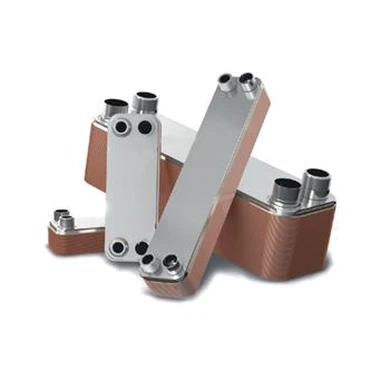
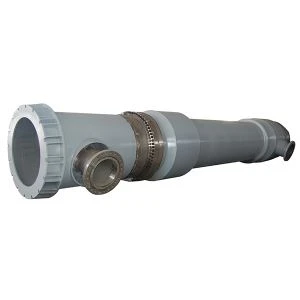
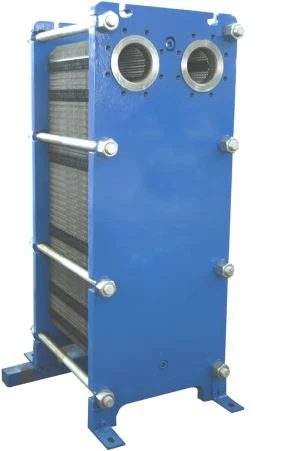
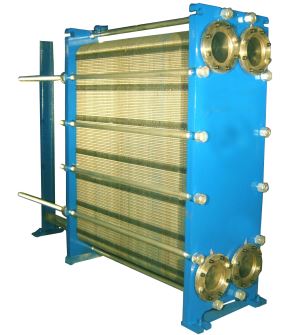
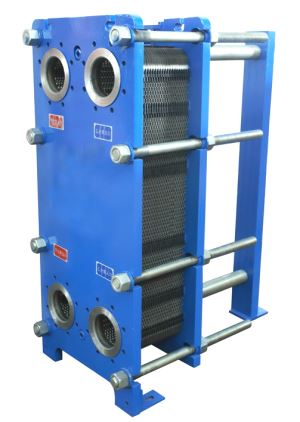
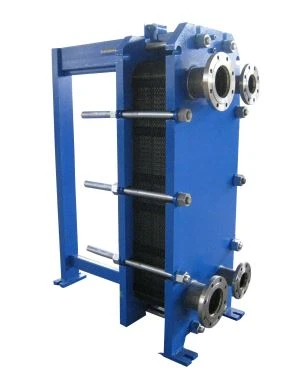
Historical WTSML equipment photograph.
Managing Process Temperatures in Chemical Production
A chemical production line may involve liquids with very different viscosities, salt contents and fouling tendencies. Maintaining a controlled process temperature requires an exchanger selected for the actual medium, not simply a nominal cooling capacity.
This WTSML product reference covers gasketed plate equipment used for suitable chemical liquid heating and cooling duties. The configuration is assessed against fluid characteristics, operating temperature, service access and site conditions.
The removable construction can be useful where inspection and deposit removal must be considered during equipment planning.
Three Process Conditions That Change Exchanger Selection
Chemical plants rarely operate with the same fluid behavior across every production line. A design suitable for clean utility water may be inappropriate for a concentrated process solution or a liquid containing suspended matter.
Variable Viscosity
Fluids such as glycerine and certain oils can change viscosity significantly with temperature. This affects flow behavior and pumping requirements.
Chemical Exposure
Salts, acids and process additives may influence corrosion or sealing performance. Compatibility depends on the full chemical composition, not only the fluid name.
Deposits and Solids
Pigment-bearing liquids and other fouling-prone streams may require particular attention to channel accessibility, cleaning intervals and pressure-loss trends.
Process Media Referenced in the Original Product Range
The earlier WTSML catalog lists several chemical industry uses. These are examples of process duties to evaluate, rather than a claim that one equipment configuration is suitable for all the listed chemicals.
Soda Solution Temperature Control
An application review should consider solution concentration, expected temperature variation and whether deposits may develop as the stream cools.
Glycerine Heating Duties
Cold-start viscosity and target delivery temperature can affect the heating arrangement. The required operating range should be specified rather than using a single nominal value.
Brine Cooling Circuits
Chloride concentration and operating temperature are important inputs when assessing the suitability of wetted metal components.
Refined Oil and Fat Processing
Thermal behavior, viscosity and cleaning requirements should be evaluated for the actual product stream and production schedule.
Pigment and Fertilizer Production
Particle content, crystallization potential and deposit formation may affect whether a particular plate channel arrangement is appropriate.

Chemical industry image retained from the earlier product page.
Start With the Actual Process Stream
A useful equipment enquiry begins with the production material and the temperature change required at the processing stage.
For example, a liquid that becomes more viscous during cooling may introduce a different hydraulic challenge from a clean water loop. A saline stream requires separate corrosion consideration, while a liquid carrying solid particles may need a different approach to fouling management.
Providing those distinctions early helps avoid comparing exchanger offers that are not based on equivalent process assumptions.
Chemical Duty Data Sheet for Equipment Evaluation
Instead of assigning a generic pressure or heat-transfer area to this product, the table below shows the information used to establish a suitable specification. The original page does not provide a numerical rating for a defined model.
| Process Information | What the Buyer Should Specify | Engineering Consideration |
|---|---|---|
| Actual Process Liquid | Composition, concentration and relevant impurities | Material and sealing suitability |
| Production Temperature Range | Normal and possible minimum/maximum temperatures | Operating envelope |
| Target Process Result | Required cooling or heating outlet condition | Thermal duty definition |
| Flow and Viscosity | Expected flow range and viscosity where available | Channel performance and pumping demand |
| Deposit Potential | Solids, crystallization, scaling or fouling history | Cleaning and equipment suitability |
| Mechanical Conditions | Working/design pressure, connections and site layout | Frame and installation review |
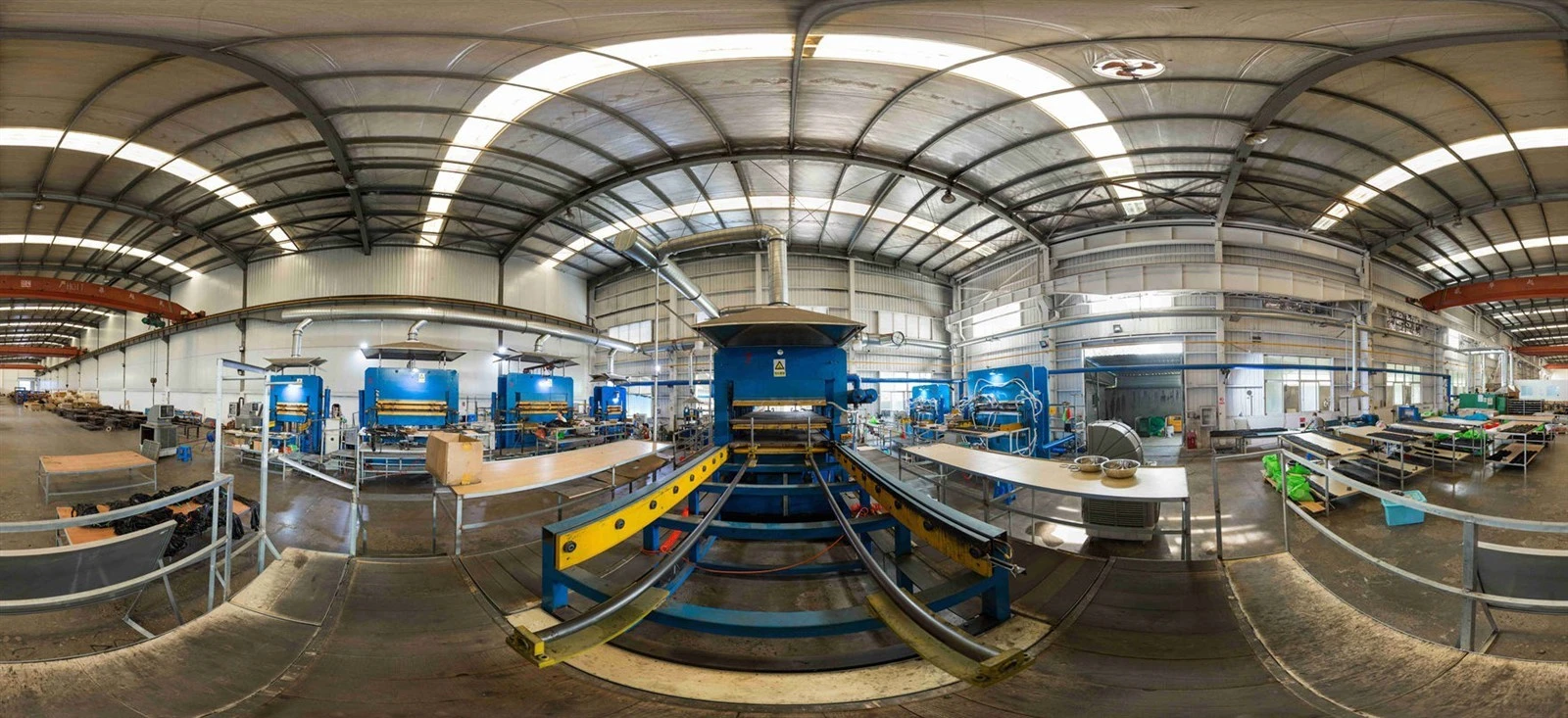
WTSML factory VR photo archive. Actual order-specific activities require separate verification.
What Chemical Plant Buyers Should Confirm
When purchasing equipment for a chemical facility, the technical discussion should cover the proposed wetted materials, gasket formulation, maintenance access and documentation required by the plant.
Factory imagery offers a view of the supplier's operating environment. It does not independently verify corrosion performance, pressure testing or compatibility with a particular chemical.
Those requirements should be addressed through the actual equipment specification and agreed inspection documentation.
Discuss Your Chemical Cooling or Heating Duty
Describe the specific production stage and the process stream that needs temperature control. Information about fouling or corrosion experience is especially useful.
Planning for Shutdowns and Cleaning Cycles
For production lines that accumulate deposits, the maintenance strategy can affect the overall equipment choice.
Access to the plate pack may help technicians investigate persistent fouling, inspect sealing surfaces or replace damaged components. However, the ability to open a unit does not mean every process deposit can be removed without special procedures.
A maintenance plan should account for chemical cleaning compatibility, safe isolation, deposit handling and the availability of replacement sealing components.
Questions to Resolve Before Approving a Purchase
1. Can one exchanger handle both brine and glycerine?
These fluids have different chemical and physical characteristics. A design selected for one service should not be assumed appropriate for the other without a separate review.
2. What if the process liquid contains pigments or solids?
Supply particle information and the history of deposit formation. Channel suitability, serviceability and cleaning plans may become deciding factors.
3. Why does concentration matter for material selection?
The concentration of salts or chemicals, together with temperature and other constituents, can substantially affect corrosion and sealing compatibility.
4. What should be checked when replacing an existing chemical process exchanger?
Compare the present temperature duty, fluid formulation, fouling history, connections and available service space with the original design.
5. Is a plate exchanger appropriate for crystallizing liquids?
Not in every case. Crystallization and channel blockage risk require a specific process review. An alternative exchanger design may be preferable for certain duties.
Continue Your Equipment Review
Hot Tags: plate heat exchanger for industrial cooling, China plate heat exchanger for industrial cooling manufacturers, suppliers