Plate Heat Exchanger Leakage: How to Distinguish External Leaks from Internal Cross-Leakage
A leaking plate heat exchanger can create maintenance costs, production interruptions and possible contamination between fluid circuits. However, not every leak originates from the same component.
For maintenance engineers, the first task is to distinguish visible external leakage from internal leakage between the process streams.
That distinction determines what should be inspected and whether replacement gaskets, individual plates or a more extensive equipment repair may be required.

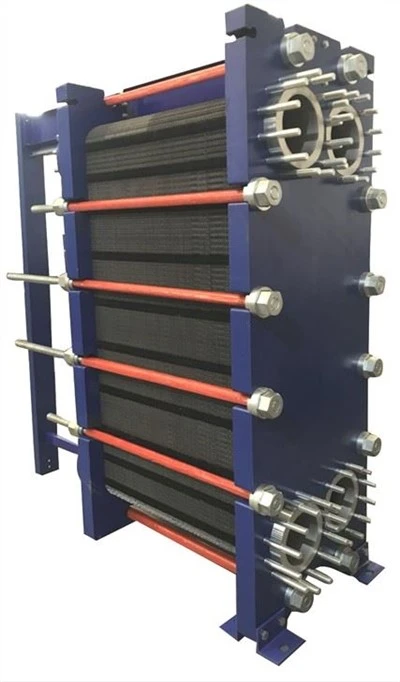
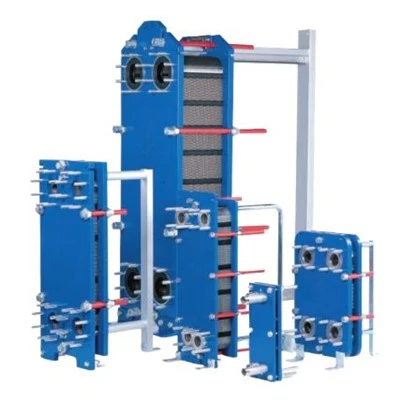
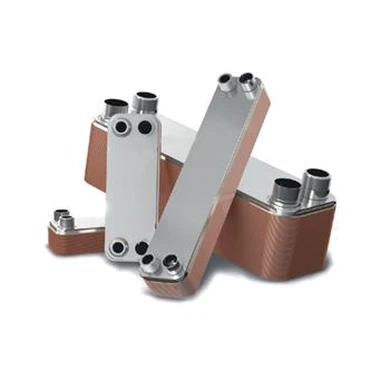
WTSML removable plate-and-frame equipment reference.
Two Different Types of Plate Heat Exchanger Leakage
| Leakage Type | Typical Observation | Potential Investigation Area |
|---|---|---|
| External Leakage | Visible fluid around a plate-pack edge, port area or connection | Gasket seating, compression, plate damage or connection integrity |
| Internal Cross-Leakage | Unexpected transfer or contamination between the two fluid circuits | Through-plate defects or internal sealing boundary failure |
Common Causes of External Leakage
External leakage can occur when the intended fluid boundary is no longer maintained. The exact source must be confirmed by a suitable inspection procedure.
Gasket Aging and Damage
Elastomer compounds can deteriorate through chemical exposure, operating temperature and mechanical compression.
Incorrect Plate-Pack Compression
An unsuitable closing dimension or assembly condition may contribute to sealing problems. The original approved setting must be reviewed.
Plate Surface Damage
Deformation, cracks or damage near the gasket groove may compromise sealing even when the installed gasket is new.
Connection Leakage
A leak around pipework or a connection may appear to originate from the exchanger. The actual fluid path should be verified.
What Can Cause Internal Cross-Leakage?
Two process streams are intended to remain separated by the heat-transfer plates and their sealing arrangements.
A damaged plate or failed internal sealing boundary may allow fluid to move between the circuits, depending on the pressure relationship.
In some situations, cross-leakage may not produce any visible fluid outside the exchanger. Process sampling, fluid balance or appropriate inspection methods may be needed to identify the cause.
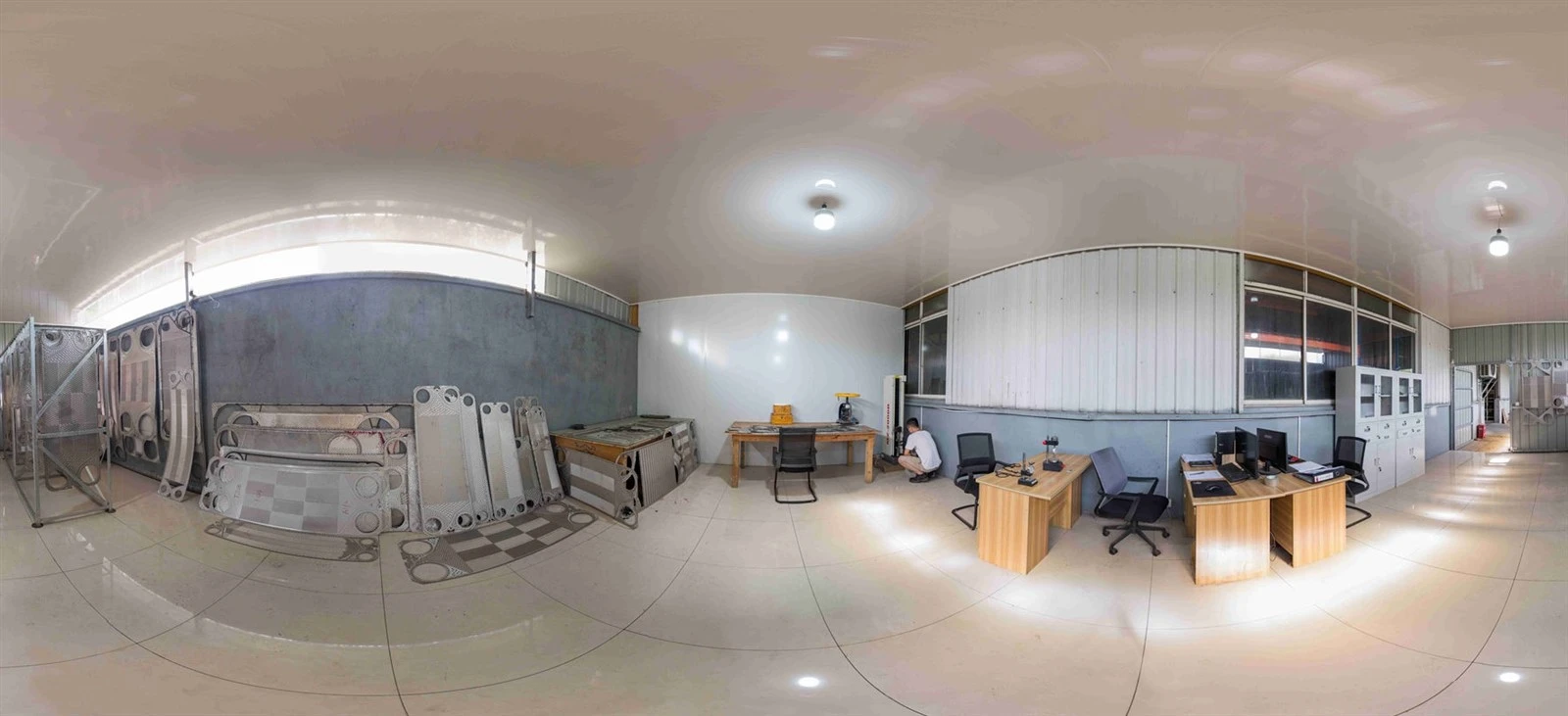
WTSML factory VR archive.
A Practical Leakage Investigation Workflow
Step 1: Record Operating Conditions
Collect pressure, temperature and flow information for both circuits. Record whether the problem appeared after maintenance, a process change or an unusual operating event.
Step 2: Identify the Leakage Path
Document visible leak locations where it is safe to do so. Do not assume the visible wet area is the original failure point.
Step 3: Isolate the Equipment
Use the site's approved shutdown procedure before any internal inspection. Both fluid circuits must be safely isolated, cooled, depressurized and drained.
Step 4: Inspect the Components
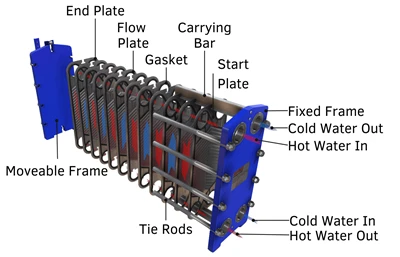
For a suitable demountable unit, authorized inspection may include gasket grooves, plate surfaces, port seals, plate order and compression records.
Step 5: Confirm the Repair Scope
Select replacement components based on the verified failure mechanism. A new gasket cannot repair a perforated plate; a new plate will not necessarily resolve an incorrect gasket installation.
When Should You Replace Plates Instead of Gaskets?
Plate replacement may be necessary when inspection identifies damage that affects the pressure boundary, sealing surface or safe operation.
Gasket replacement may be appropriate when the sealing component is identified as unsuitable or damaged and the associated plates remain serviceable.
For older equipment, buyers should also assess the condition of the full plate pack and available replacement parts.
Need Replacement Plates or Gaskets After a Leakage Problem?
Send your heat exchanger model, failed-part photographs and operating information for a technical replacement enquiry.
Request Leakage Repair Parts →What to Include in Your Parts Enquiry
- Complete equipment brand and model
- Nameplate and frame photographs
- Photographs of the affected plate or gasket
- Operating fluid and material information
- Quantity and required delivery destination
Frequently Asked Questions
1. Does visible leakage always mean the gasket has failed?
No. Plate damage, connection problems and assembly conditions can cause similar symptoms.
2. Can fluids mix without an external leak?
Yes. Internal cross-leakage may occur without visible fluid escaping outside the exchanger.
3. Should the plate pack be tightened to stop a leak?
Do not adjust compression without the equipment-specific procedure and proper diagnosis. Excessive tightening can damage components.
4. Can a damaged plate be replaced individually?
For certain demountable units, individual replacement may be possible if the correct plate geometry, material and configuration are available.
5. What information helps identify the correct spare parts?
The complete equipment model, plate and gasket photographs, dimensions and operating requirements are important.