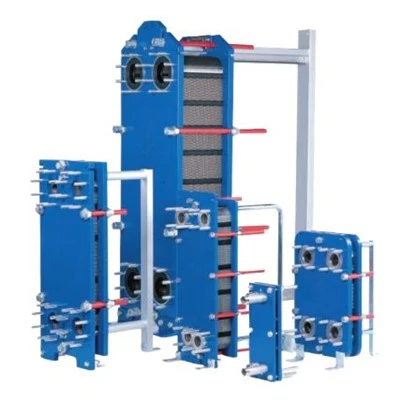
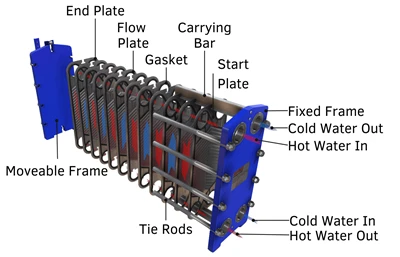
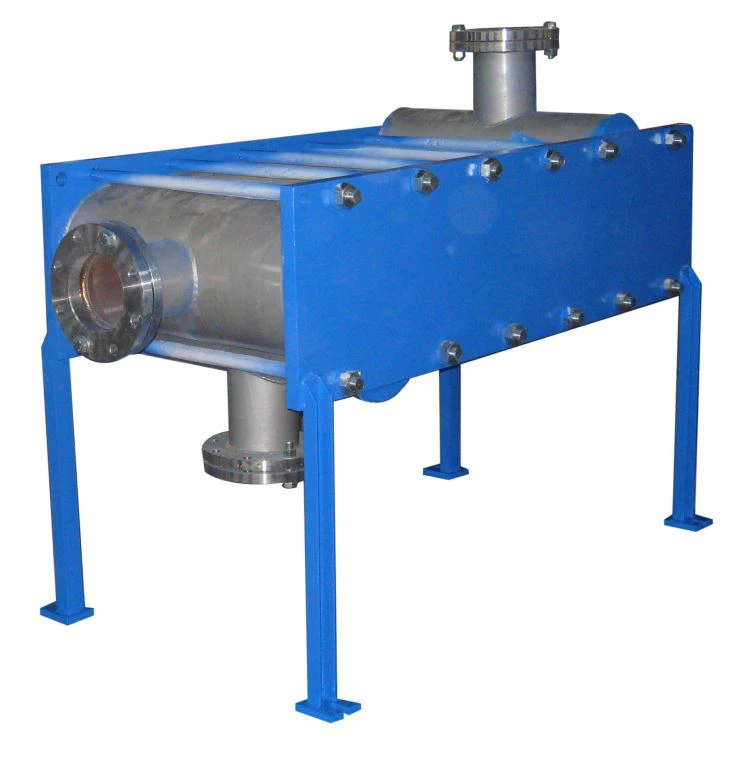
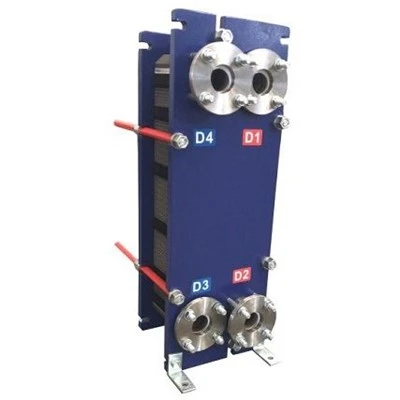
The performance of a heat exchange plate can be evaluated using parameters such as heat transfer coefficient, resistance, and pressure resistance. The heat transfer coefficient reflects the plate's heat transfer efficiency; a higher value indicates better performance. Resistance affects system energy consumption and needs to be optimized and balanced during the design phase. Pressure resistance refers to the maximum operating pressure the plate can withstand, and is related to the material and structure. These parameters must be selected based on actual operating conditions to ensure the equipment's economy and reliability.
The cost of a heat exchange plate includes initial purchase cost and long-term operating cost. Initial purchase cost is affected by material, thickness, and manufacturing process. Long-term operating cost involves energy consumption, maintenance, and replacement costs. For example, high-efficiency heat exchange plates may have a higher initial cost, but they reduce energy consumption and are more economical in the long run. When selecting heat exchange plates, the total expenditure over the equipment's lifespan must be considered comprehensively.