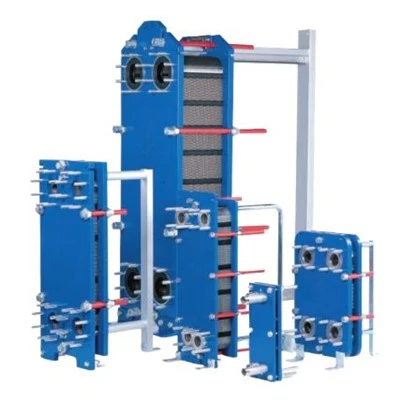
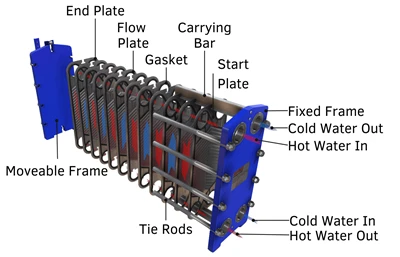
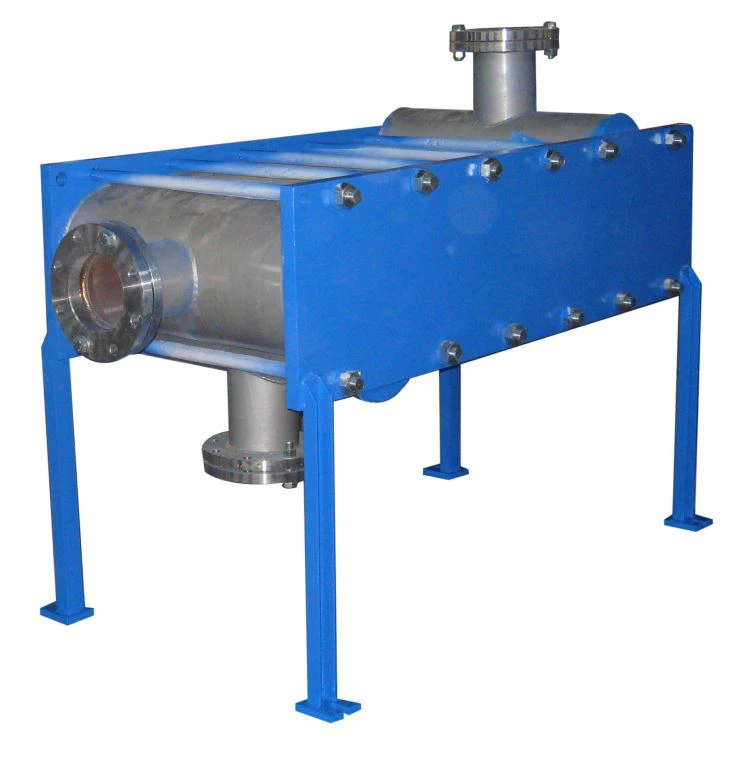
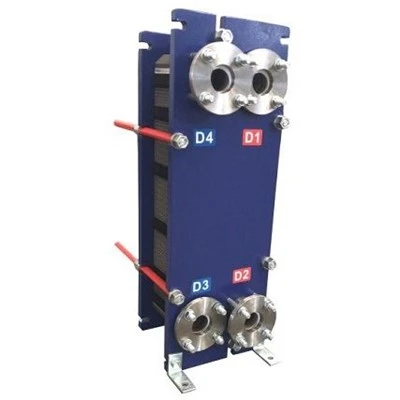
Heat exchanger plates are key components of plate heat exchangers, primarily made of stainless steel or titanium alloy, and achieve efficient heat transfer through a corrugated structure design. Their core technical parameters include plate material, thickness (typically 0.5–0.8 mm), corrugation type (e.g., herringbone, horizontal straight corrugations), heat exchange area, design pressure (up to 2.5 MPa), and temperature range (-20℃ to 200℃). These parameters directly affect heat exchange efficiency, pressure resistance, and service life. In the high-humidity, large-temperature-difference environment of Guizhou, the plates must possess excellent corrosion resistance and thermal conductivity stability to ensure long-term operational reliability.
From a practical application perspective, plate heat exchangers are widely used in chemical, pharmaceutical, food processing, and district heating industries, placing high demands on plate sealing, ease of disassembly and maintenance, and compact structure. For example, in the pharmaceutical industry, plates must meet sanitary standards, with a surface roughness controlled at Ra≤0.8μm; in chemical processes, resistance to acid and alkali corrosion is emphasized. In addition, the matching design of the plates and gaskets is also crucial, directly affecting the sealing performance and operational safety of the equipment.