Food and Beverage Plate Heat Exchangers: Why Hygiene Matters as Much as Thermal Duty
In food and beverage processing, heat-transfer equipment must meet both production temperature requirements and the hygiene needs of the product.
Applications may include milk, juice, beverage and other compatible liquid processing duties.
However, a plate exchanger suitable for industrial utility water is not automatically appropriate for direct contact with a food product.

Food and beverage processing application image reference.
Where Plate Exchangers Are Used in Food Processing
Plate heat exchangers may be used to adjust product temperatures during heating, cooling or other controlled thermal processes.
Possible applications include suitably designed milk processing, juice temperature control and beverage production.
The actual temperature program, process equipment arrangement and hygiene specification must be established for each production line.
Five Engineering Priorities for Hygienic Applications
1. Product-Contact Materials
All wetted materials must be suitable for the specific food medium, cleaning chemicals and relevant regulatory requirements.
2. Cleanable Flow Paths
The design should permit effective cleaning under the validated process. Dead zones and unwanted product retention require particular attention.
3. Sealing Integrity
Gaskets and other sealing components must be compatible with the product and the selected cleaning and sanitation procedures.
4. Process Temperature Control
Heating and cooling conditions must be established around the specific production process. A generic heat-transfer capacity does not confirm the required food process performance.
5. Inspection and Documentation
Food processing equipment may require documented material suitability, surface finish, cleaning validation or other specified conformity requirements.
Product Heating and Cooling Requirements Are Not Always Identical
A beverage cooling process may be governed by product flow, inlet temperature, desired final temperature and the available cooling medium.
A heating process may involve additional production controls and validated time-temperature requirements.
Where food safety depends on a specified thermal treatment, the full process must be engineered and validated rather than relying on the heat exchanger alone.
Cleaning and Sanitation Considerations
Cleaning procedures must account for the product, deposits, plate alloy, gaskets and the actual equipment construction.
CIP suitability and any required sanitation program should be demonstrated for the selected installation and operating conditions.
Cleaning performance is not established merely by the existence of CIP connections.
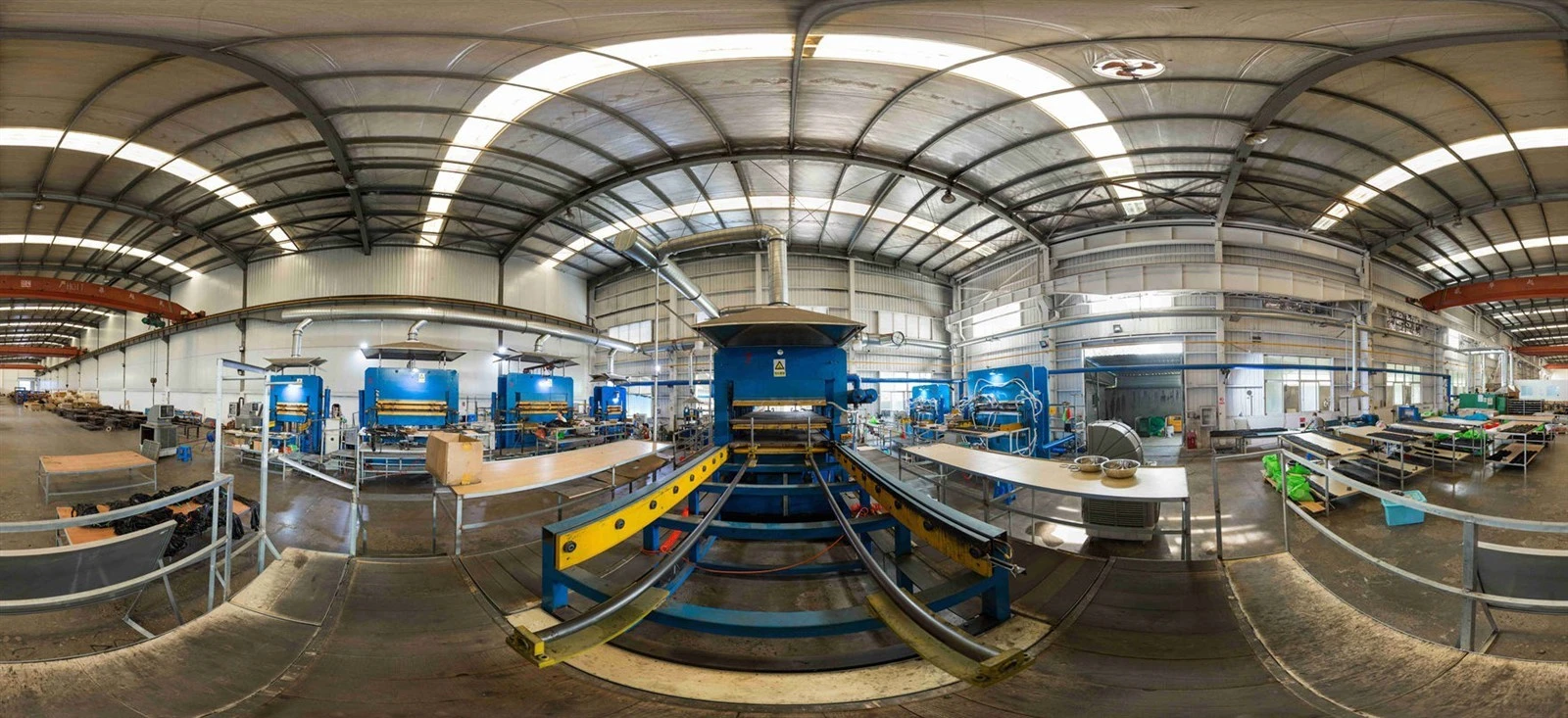
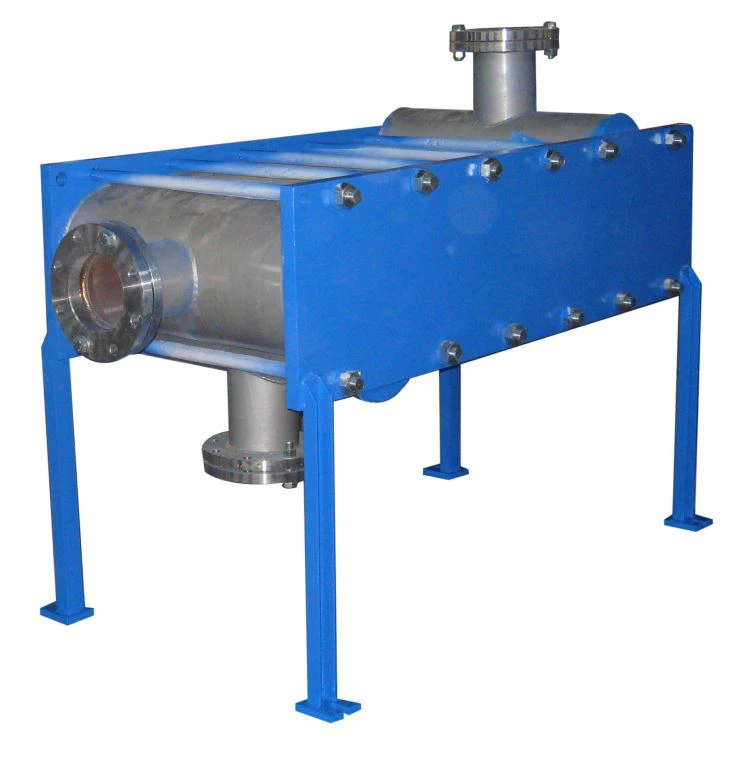
WTSML industrial facility reference photograph. This image does not establish hygienic certification.
What to Include in a Food Processing Heat Exchanger RFQ
| Requirement | Information to Provide |
|---|---|
| Food Product | Product type, composition, viscosity and possible solids |
| Thermal Process | Heating or cooling duty, flow and temperature targets |
| Cleaning Program | Cleaning chemicals, temperature and sanitation requirements |
| Materials | Required plate, gasket and product-contact material specifications |
| Compliance | Applicable market regulations and required certificates or documented evidence |
| Installation | Connections, maintenance space, orientation and quantity |
Industrial vs Hygienic Plate Heat Exchanger Procurement
An industrial gasketed exchanger may be suitable for non-product-contact utility duties within a food factory.
Direct product heating or cooling can require a different equipment specification, including hygienic design and appropriate supporting records.
The distinction should be made explicit in the initial enquiry.
Looking for Heat Transfer Equipment for a Food Processing Project?
Share your product medium, thermal duty, cleaning requirements and applicable hygiene standards. WTSML can review the technical enquiry and confirm whether a suitable equipment configuration can be offered.
Submit Food Processing RFQ →Frequently Asked Questions
1. Can a standard industrial plate exchanger be used for milk processing?
Not automatically. Direct product service requires specific hygienic and material verification.
2. Does stainless steel alone guarantee food-contact suitability?
No. Suitability depends on the exact material, equipment construction and applicable requirements.
3. Are ordinary industrial gaskets always suitable for beverage production?
No. Product-contact and cleaning compatibility must be verified for the exact gasket compound.
4. Can CIP automatically guarantee hygienic cleaning?
No. Cleaning effectiveness must be established for the process and equipment.
5. What documentation should a buyer request?
Request the required material, hygienic design, cleaning and applicable conformity information for the selected unit.