Marine Plate Heat Exchangers: Seawater Cooling, Corrosion Risks and Equipment Selection
Shipboard cooling systems operate under conditions that differ from many stationary industrial installations.
Seawater chemistry, limited engine-room space and changing machinery loads can all affect exchanger selection.
For marine engineers and equipment procurement teams, the key is to understand which fluid circuits contact the exchanger and how the equipment will be maintained.

Marine industry image reference.
Where Heat Exchangers Are Used on Vessels
Main Engine Freshwater Cooling
Engine coolant transfers thermal energy to a secondary cooling circuit. The exchanger must support the required heat removal without creating excessive hydraulic resistance.
Lubricating Oil Cooling
Oil temperature affects viscosity. Selection should use the actual oil properties, required operating temperature and flow conditions.
Auxiliary Machinery Cooling
Generators, compressors and other machinery may require dedicated cooling arrangements with different thermal loads and operating schedules.
Central Cooling Systems
A central cooling arrangement can transfer heat from a freshwater circuit to a seawater circuit while keeping the fluids separated.
Why Seawater Requires Special Material Review
Natural seawater contains chlorides and other constituents that can create corrosion risks for unsuitable metal alloys.
Temperature, oxygen conditions, flow velocity and localized deposits may influence corrosion behavior.
For certain marine duties, titanium plates may be considered. However, final suitability must be verified for the actual service and design conditions.
Seawater Side vs Freshwater Side
The two sides of a marine cooling exchanger may require different engineering considerations.
| Cooling Circuit | Typical Consideration |
|---|---|
| Seawater Side | Chloride exposure, marine fouling, debris and material compatibility |
| Freshwater Side | Coolant chemistry, flow control, temperature stability and water treatment |
| Oil Cooling Side | Oil viscosity, thermal behavior and pressure loss |
Marine Fouling and Maintenance Access
Seawater circuits can encounter biological deposits, sediment and other contamination.
Strainer condition, water treatment where appropriate and scheduled inspection may help reduce operational problems.
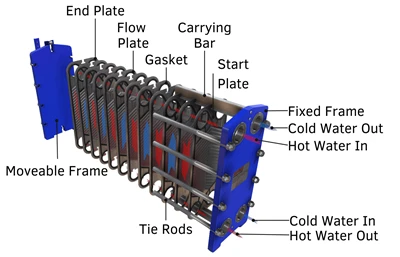
For demountable plate exchangers, the layout must provide clearance for opening the frame and handling the plates.
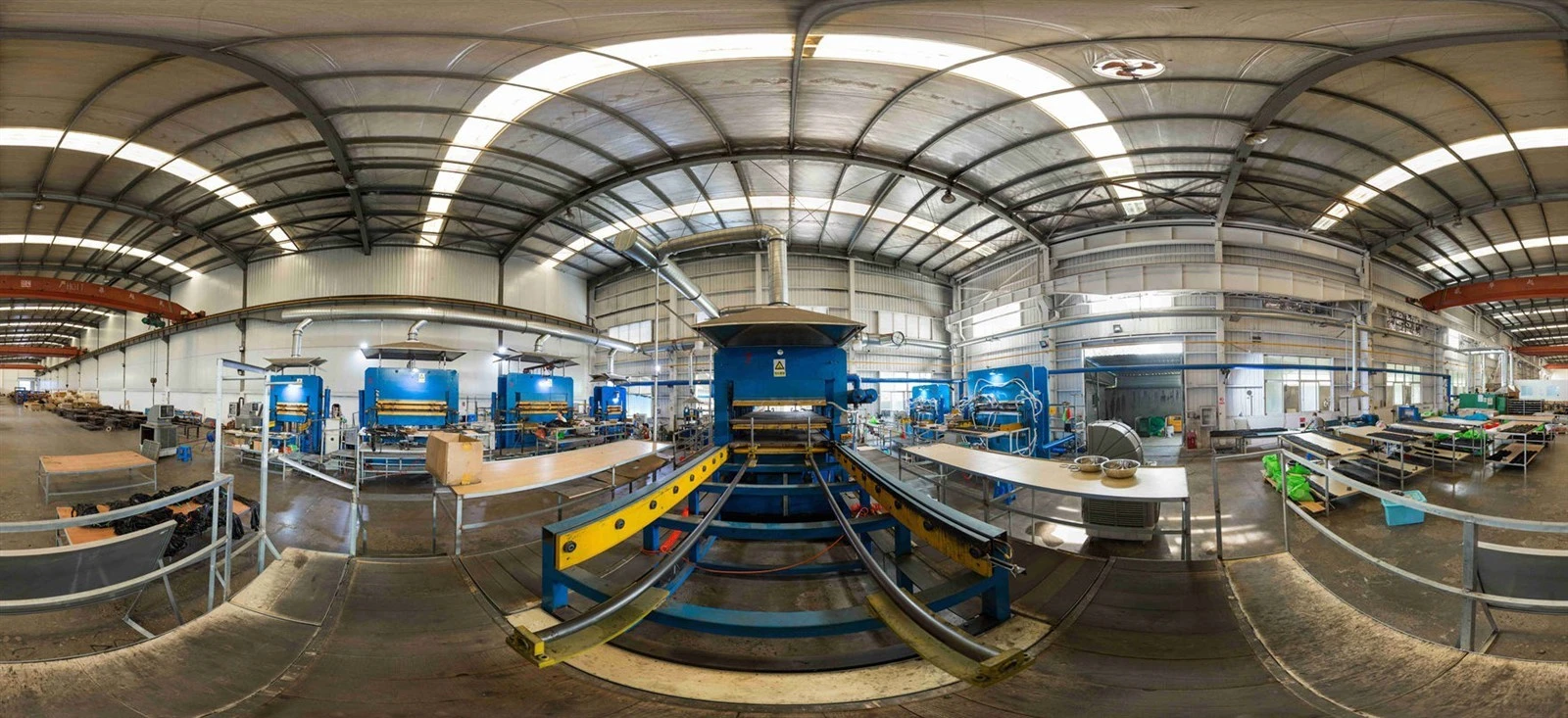
WTSML real factory VR reference.
Preparing a Marine Replacement Exchanger Enquiry
A new marine heat exchanger should be matched to the actual cooling service, not merely the connection diameter.
For a vessel replacement, the original nameplate, installation drawing and cooling data are especially valuable.
- Vessel or machinery application
- Existing equipment model and photographs
- Seawater and freshwater temperatures
- Flow rates and allowable pressure drops
- Required plate and gasket materials
- Available engine-room maintenance clearance
Need a Marine Plate Heat Exchanger or Replacement Components?
Send your existing equipment details and cooling-system requirements to WTSML for a technical review and quotation enquiry.
Request Marine Heat Exchanger Support →Frequently Asked Questions
1. Can a plate heat exchanger use seawater directly?
Yes, suitable designs can, provided wetted materials and operating conditions are correctly specified.
2. Are titanium plates always required?
Not universally. Selection depends on fluid chemistry, temperature, operating conditions and engineering requirements.
3. Why does oil viscosity matter?
It influences fluid resistance and heat-transfer behavior at the operating temperature.
4. Can the original frame be reused?
This depends on its condition, design limits and compatibility with replacement components.
5. What is needed for a vessel cooler replacement?
The equipment model, drawings, cooling conditions, connections and installation requirements.