Single-Pass vs Multi-Pass Plate Heat Exchangers: How Pass Arrangement Changes Selection
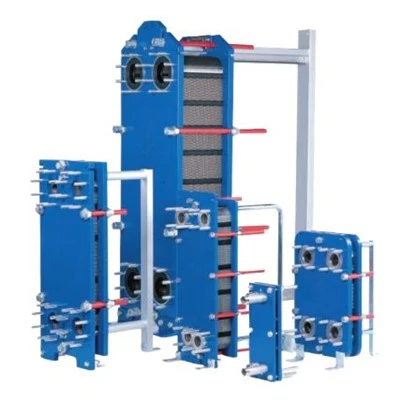
A plate heat exchanger may be configured with one or several passes on a fluid circuit. Pass arrangement influences flow distribution, effective channel velocity, thermal performance and pressure loss.
For equipment buyers, selecting a multi-pass unit is not automatically an upgrade. The appropriate arrangement depends on the fluid conditions and the complete exchanger design.

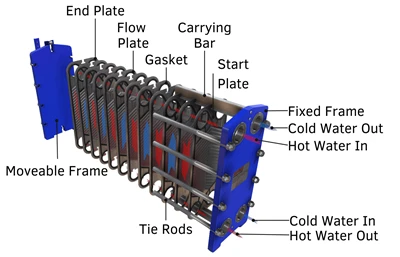
Technical illustration of single-pass and multi-pass design concepts.
What Does a Pass Mean?
A pass describes a configured path through part of the heat-transfer plate assembly. A single-pass circuit follows one pass, while a multi-pass circuit is directed through additional sections according to the plate and port arrangement.
The number of passes must be considered separately for each fluid circuit. The correct routing is established by the specific equipment design.
Understanding the Differences
| Feature | Single-Pass | Multi-Pass |
|---|---|---|
| Fluid routing | One configured pass through the plate section | Additional passes within the designed plate arrangement |
| Hydraulic behavior | Depends on available channels and geometry | Changes with the distribution of channels and passes |
| Connection arrangement | Must match the specified frame and flow configuration | May require different port and connection arrangements |
| Thermal suitability | Determined by the complete duty calculation | Determined by the complete duty calculation |
| Maintenance identification | Original plate order remains important | Pass division and special plate positions require particular attention |
Four Questions That Determine the Required Arrangement
1. Is the Required Temperature Change Achievable?
Review the available temperature difference, fluid properties and heat-transfer duty. More passes do not guarantee a better thermal result.
2. What Pressure Drop Can the System Accept?
Routing changes affect hydraulic resistance. A configuration that meets the temperature target may still be unsuitable if it exceeds pumping capacity.
3. How Does the Fluid Behave at Operating Temperature?
Viscosity, fouling tendency and changes in process composition may influence channel and pass selection.
4. Can the Equipment Frame Support the Arrangement?
The number of passes and connection placement must be compatible with the actual frame, plate geometry and design documentation.
Why Counterflow and Multi-Pass Are Not the Same Thing
Counterflow describes the relative direction of two fluid streams. Multi-pass describes how many configured passes a stream follows. These concepts are related to fluid routing but should not be used interchangeably.
A product may have a suitable countercurrent arrangement without requiring multiple passes. Conversely, a multi-pass construction must still be evaluated for its intended thermal flow relationship.

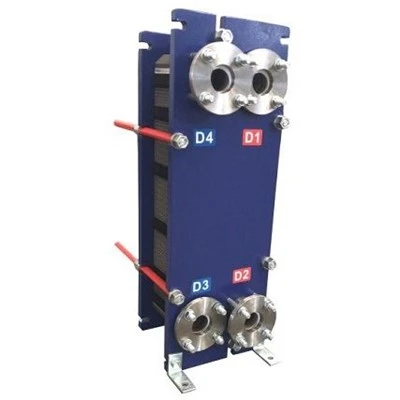
WTSML counterflow gasketed equipment product reference.
What Should a Buyer Include in an RFQ?
Supply both fluid flow rates, temperature conditions, allowable pressure drops, properties and any existing equipment information. If the request concerns a replacement, provide the original plate configuration and available drawings.
Where the required duty cannot be met by the existing arrangement, a new equipment design may be preferable to an unverified modification of the current plate pack.
Need Help Selecting a Plate Exchanger Pass Arrangement?
Send your process temperatures, flow rates and hydraulic limits to WTSML for an equipment selection enquiry.
Request Plate Exchanger Selection →Maintenance Considerations for Multi-Pass Units
When opening a gasketed multi-pass exchanger, the original plate order, pass division and special plate positions should be documented. Incorrect reassembly can alter flow routing and sealing.
Follow the manufacturer's approved maintenance procedure, including isolation, inspection and correct final compression of the plate pack.
Frequently Asked Questions
1. Does a multi-pass exchanger always transfer more heat?
No. Its performance depends on the fluid conditions, plate configuration and available pressure drop.
2. Does changing the pass number change pressure drop?
It can. Pass arrangement influences the effective flow path and channel distribution.
3. Are all multi-pass exchangers countercurrent?
No. The actual thermal flow relationship must be established from the design.
4. Can a single-pass unit be converted to multi-pass?
Only where the frame, plate design and approved engineering assessment support such a modification.
5. What information is needed to select the pass configuration?
Provide both fluid conditions, required temperatures, hydraulic limits, existing equipment details and installation constraints.