Plate Heat Exchanger Cleaning: When to Choose CIP and When to Open the Plate Pack
Fouling can gradually reduce thermal performance, increase pressure loss and force unplanned maintenance.
Two common cleaning approaches are clean-in-place (CIP) and manual plate cleaning. The better choice depends on the nature of deposits, equipment construction and service conditions.

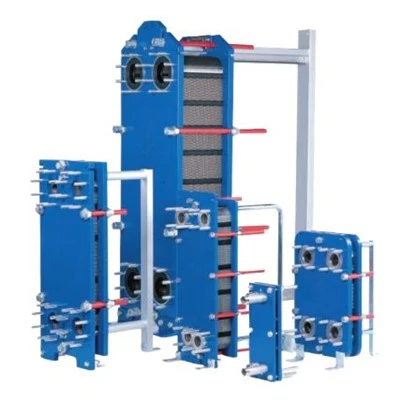
WTSML removable plate-and-frame equipment reference.
Why Plate Heat Exchangers Become Fouled
Heat-transfer surfaces can accumulate deposits from process liquids, cooling water or other service media.
Common fouling categories include mineral scale, biological growth, oil residues and particles carried by the process stream.
The deposit can create additional thermal resistance or restrict flow channels. The appropriate response depends on the actual deposit chemistry.
Method One: Clean-in-Place
How CIP Is Used
CIP circulates an approved cleaning solution through the equipment without opening the heat-transfer core.
The method may be suitable where the deposits can be removed chemically and flow passages remain sufficiently open for circulation.
Advantages to Consider
It may reduce the time required for mechanical disassembly and limit routine handling of individual plates.
Limitations
Severe blockage, unknown deposits or suspected plate damage may require more extensive inspection. CIP cannot confirm the physical condition of every internal surface.
Method Two: Manual Plate Cleaning
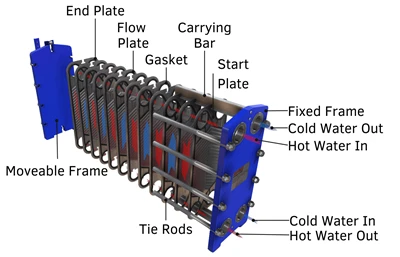
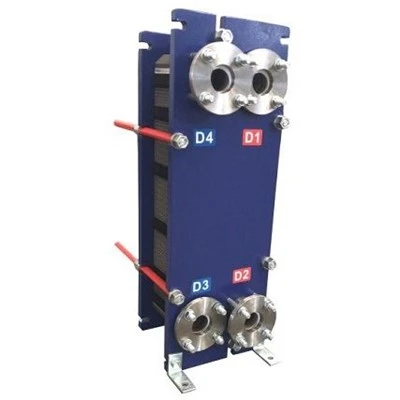
Suitable gasketed plate-and-frame units can be opened using the approved maintenance procedure.
After disassembly, individual plates can be inspected and deposits removed using compatible cleaning methods and appropriate tools.
Manual access can be valuable when plate condition, gasket grooves or persistent fouling must be examined.
How to Choose Between CIP and Manual Cleaning
- Deposit type: Identify the fouling chemistry before selecting the cleaning medium.
- Channel accessibility: Determine whether the equipment can be dismantled.
- Material compatibility: Review the plate, gasket and joining materials.
- Performance decline: Compare heat-transfer behavior and pressure loss with earlier operating records.
- Inspection requirement: Decide whether internal visual inspection is necessary.
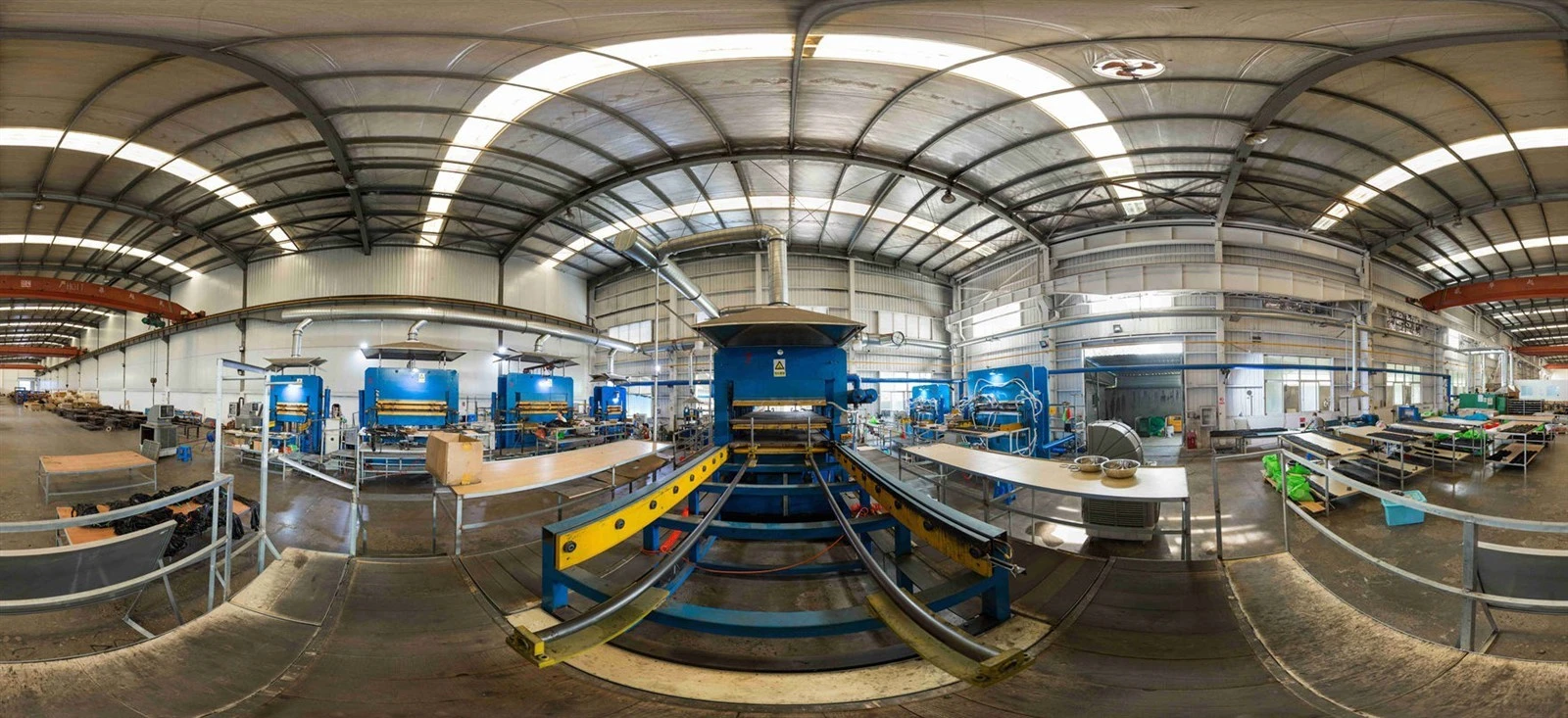
WTSML industrial facility VR photograph.
What About Brazed and Fully Welded Equipment?
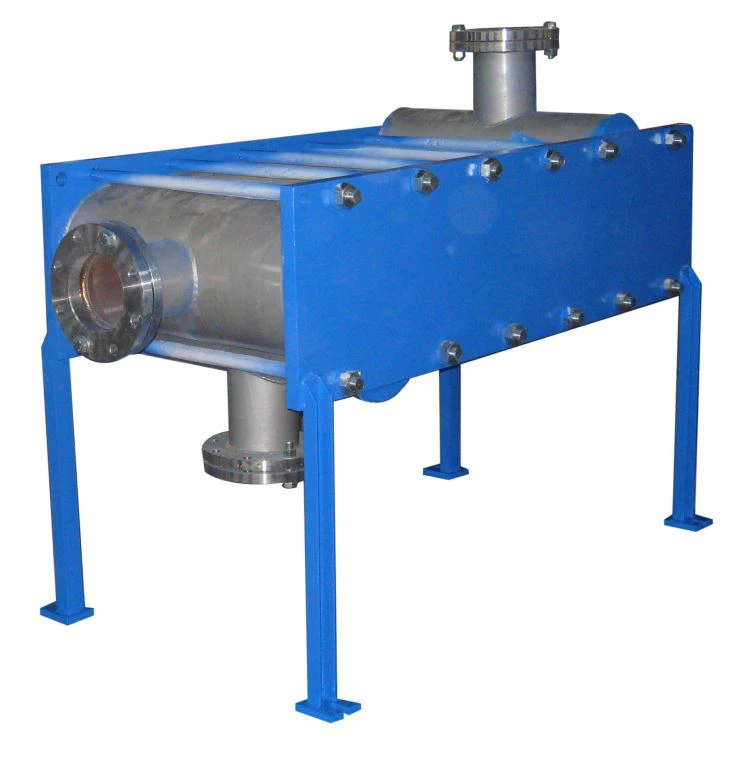
A permanently brazed or welded plate core is not normally opened into individual plates.
Cleaning must therefore account for access limitations and compatibility with the actual joining materials.
Where deposits cannot be removed safely or the core is damaged, replacement of the complete assembly may need consideration.
How to Confirm Whether Cleaning Was Effective
Compare the operating results before and after cleaning under similar conditions.
Review flow, pressure loss and temperature performance, and document any recurring deposit formation.
If fouling returns quickly, the underlying process or water-treatment condition may require investigation.
Planning Plate Exchanger Cleaning or Replacement?
WTSML can review replacement plate, gasket and equipment requirements using your model information and operating data.
Discuss Your Maintenance Project →Frequently Asked Questions
1. Is CIP suitable for every plate heat exchanger?
No. Suitability depends on construction, deposit characteristics and chemical compatibility.
2. Can manual cleaning damage metal plates?
Yes. Inappropriate tools or abrasive methods may scratch or deform the surfaces.
3. Does a successful CIP eliminate the need for inspection?
Not necessarily. Inspection frequency depends on service history, equipment condition and site requirements.
4. Can a brazed plate exchanger be dismantled?
The permanently joined core is not opened like a removable gasketed plate assembly.
5. What operating data should be recorded after cleaning?
Flow rates, inlet and outlet temperatures, pressure losses and other relevant process measurements.