Industrial Waste Heat Recovery: Where a Plate Heat Exchanger Can Add Value
Many industrial facilities discharge warm liquids while other processes require heating. When the operating conditions are compatible, a heat exchanger may transfer part of that available thermal energy into a useful secondary circuit.
The opportunity is not simply to install a larger exchanger. A viable heat recovery project must match available heat, receiving demand, fluid behavior, operating schedule and pumping requirements.

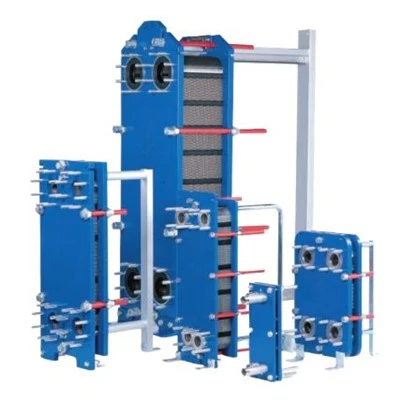
WTSML plate heat exchanger product reference for liquid thermal circuits.
How Liquid-to-Liquid Heat Recovery Works
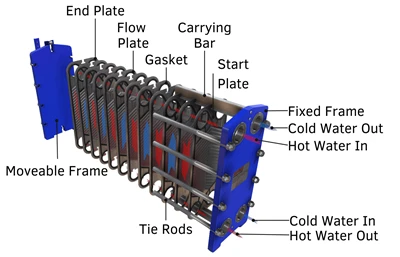
A warmer process stream passes through one fluid circuit while a colder receiving stream passes through the other. The separating metal surfaces allow heat transfer without intentionally mixing the fluids.
For many applications, countercurrent routing can support favorable temperature conditions. The exchanger must still be sized for the actual flows, heat capacity, allowable pressure drops and expected fouling.
Four Industrial Opportunities to Evaluate
Warm Process Water
Residual heat from a suitable process-water stream may be used to preheat another water circuit.
Utility Heat Recovery
Some cooling circuits can transfer useful heat to a secondary load where temperatures and schedules match.
Process Liquid Preheating
Recovered energy may reduce the additional heating duty required downstream.
Batch Process Integration
Heat recovery may be possible where batch timing and thermal storage arrangements support the project.
Why Temperature Availability Is Only Half the Story
A waste stream can contain useful thermal energy but still be a poor recovery source if its flow is intermittent, strongly fouling or available only when there is no receiving demand.
Temperature approach is also important. A target that is too demanding for the available source temperature may require changes to the system configuration or to the receiving process.
Data Required for a Heat Recovery Feasibility Review
| Data | Why It Matters |
|---|---|
| Waste stream temperature and flow | Establishes heat available for recovery |
| Receiving circuit requirements | Defines the useful heat demand |
| Daily and seasonal schedule | Shows how often source and demand coincide |
| Fluid chemistry and fouling risk | Influences materials, cleaning and exchanger selection |
| Hydraulic limits | Determines allowable pumping impact |
| Installation constraints | Defines piping changes and available equipment space |
Choosing the Equipment Construction
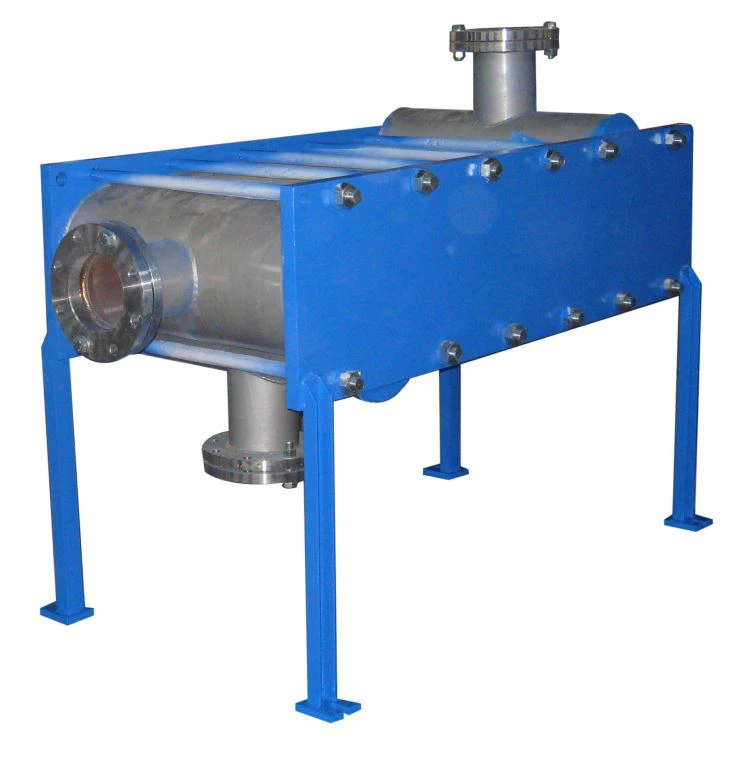
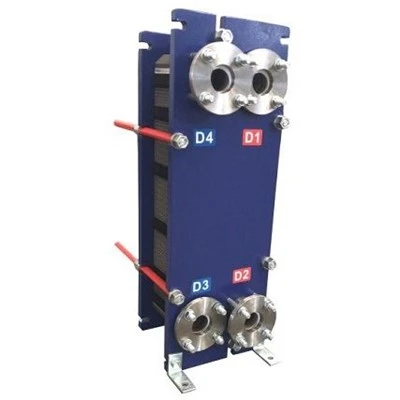
A gasketed plate design may be useful where inspection and plate-pack access are important. A permanently joined exchanger may be evaluated for suitable duties with compatible materials and maintenance requirements. Other services may call for tubular equipment.
The best construction should be selected from the complete process requirement, not from nominal heat-transfer area alone.
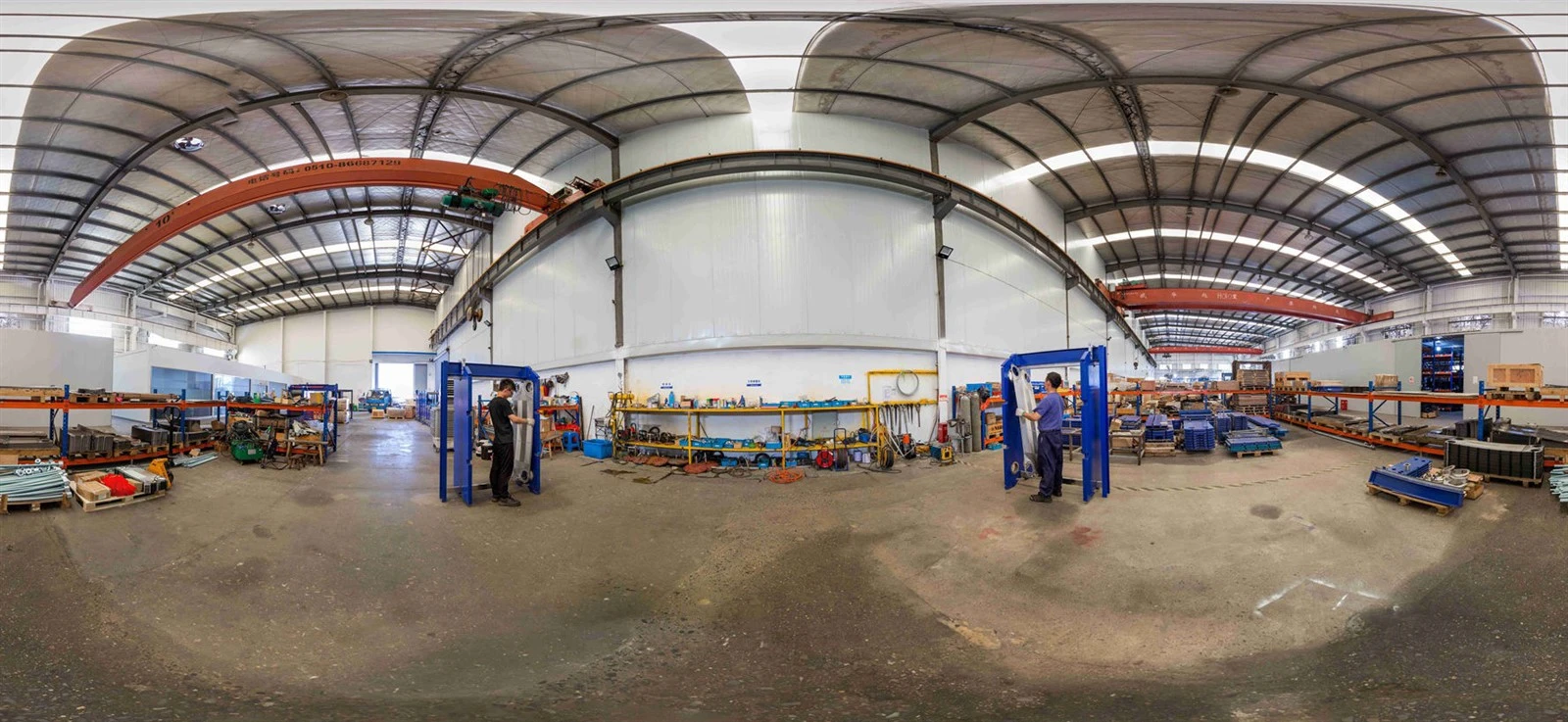
WTSML industrial facility archive.
Planning an Industrial Heat Recovery Project?
Send source and receiving stream temperatures, flow rates, fluid information and operating schedules to WTSML for an equipment enquiry.
Request Heat Recovery Equipment Review →Looking Beyond the Exchanger Purchase Price
A recovery project may also require pumps, control valves, heat storage, filtration, piping and instrumentation. Its economic value depends on the actual energy displaced and the hours of useful operation.
Any investment estimate should distinguish the exchanger's thermal capability from the savings achieved by the whole process installation.
Frequently Asked Questions
1. Can low-temperature waste water be useful?
Possibly. The answer depends on the temperature and requirements of the receiving circuit and whether another energy system is involved.
2. Does heat recovery require the process fluids to mix?
No. A suitable heat exchanger transfers heat across a separating surface while maintaining the intended fluid boundaries.
3. Can an existing exchanger be reused for a recovery project?
Only after checking its thermal duty, materials, hydraulic conditions and mechanical suitability.
4. What limits the amount of energy recovered?
Temperatures, flow rates, heat-transfer capability, operating schedule and system losses all matter.
5. What is needed for a preliminary quotation?
Provide both stream conditions, operating hours, fluid properties, pressure-drop limits and installation requirements.