Clip-On vs Glued Plate Heat Exchanger Gaskets: Which Retention System Do You Need?
Two replacement gaskets can be manufactured from the same elastomer and still be unsuitable for the same plate. The difference may be the fastening arrangement that keeps each seal correctly positioned inside the gasket groove.
For maintenance buyers, recognizing whether an existing plate uses a mechanical clip-on system, an adhesive-bonded gasket or a combined retention design is essential before ordering spares.

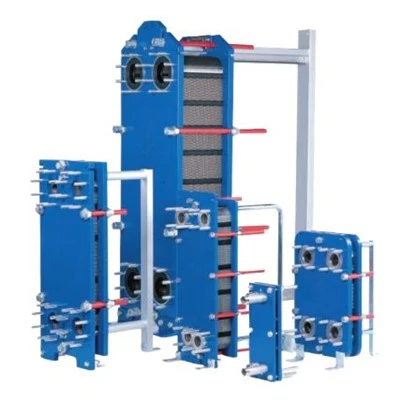
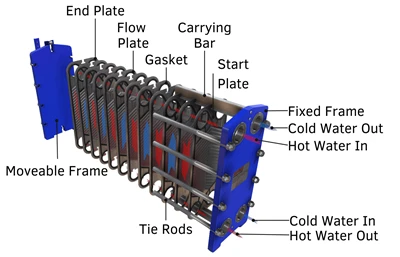
Technical reference illustrating gasketed plate sealing arrangements.
What Does Gasket Retention Actually Do?
Retention keeps a gasket located within its designated groove while the plate pack is being handled and assembled. Once the exchanger is compressed, the gasket must establish the intended sealing boundaries around the ports and channel perimeter.
The fastening arrangement and the gasket's elastomer material are separate purchasing decisions. A seal can have the correct chemical resistance but the wrong attachment features.
Understanding the Main Retention Options
| System | How It Is Retained | What Buyers Should Confirm |
|---|---|---|
| Clip-On | Mechanical tabs or clips engage specified plate-edge features | Exact clip geometry, placement and plate compatibility |
| Glued | Manufacturer-approved adhesive secures the seal to the groove | Adhesive specification, surface preparation and curing requirements |
| Combined Retention | Some designs use mechanical and adhesive features together | Exact model-specific installation procedure |
Why Clip Geometry Matters
A clip must engage the proper edge or fastening feature without stretching or distorting the seal. If tabs are positioned incorrectly, the gasket may shift as the plates are brought together.
Photograph the original clips from several angles and record their positions relative to the ports. A generic reference picture is rarely enough for precise replacement identification.
What Makes Glued Gasket Replacement Different?
Adhesive-bonded seals require particular attention to the groove surface and bonding procedure. Residues, unsuitable cleaners or an incorrect adhesive may reduce retention and lead to later maintenance problems.
Some adhesive systems require controlled curing conditions. Others follow different manufacturer-approved procedures. Do not assume that any general-purpose industrial glue is appropriate.
How to Identify the Correct Replacement Gasket
Before sending a purchase request, inspect the existing component and prepare a reliable set of identification details.
- Complete equipment model and plate designation
- Photographs of the gasket groove and port seals
- Close-ups of the clip or adhesive-retention arrangement
- Original gasket material, if known
- Process liquid, operating temperatures and cleaning chemicals
- Required quantity and replacement schedule
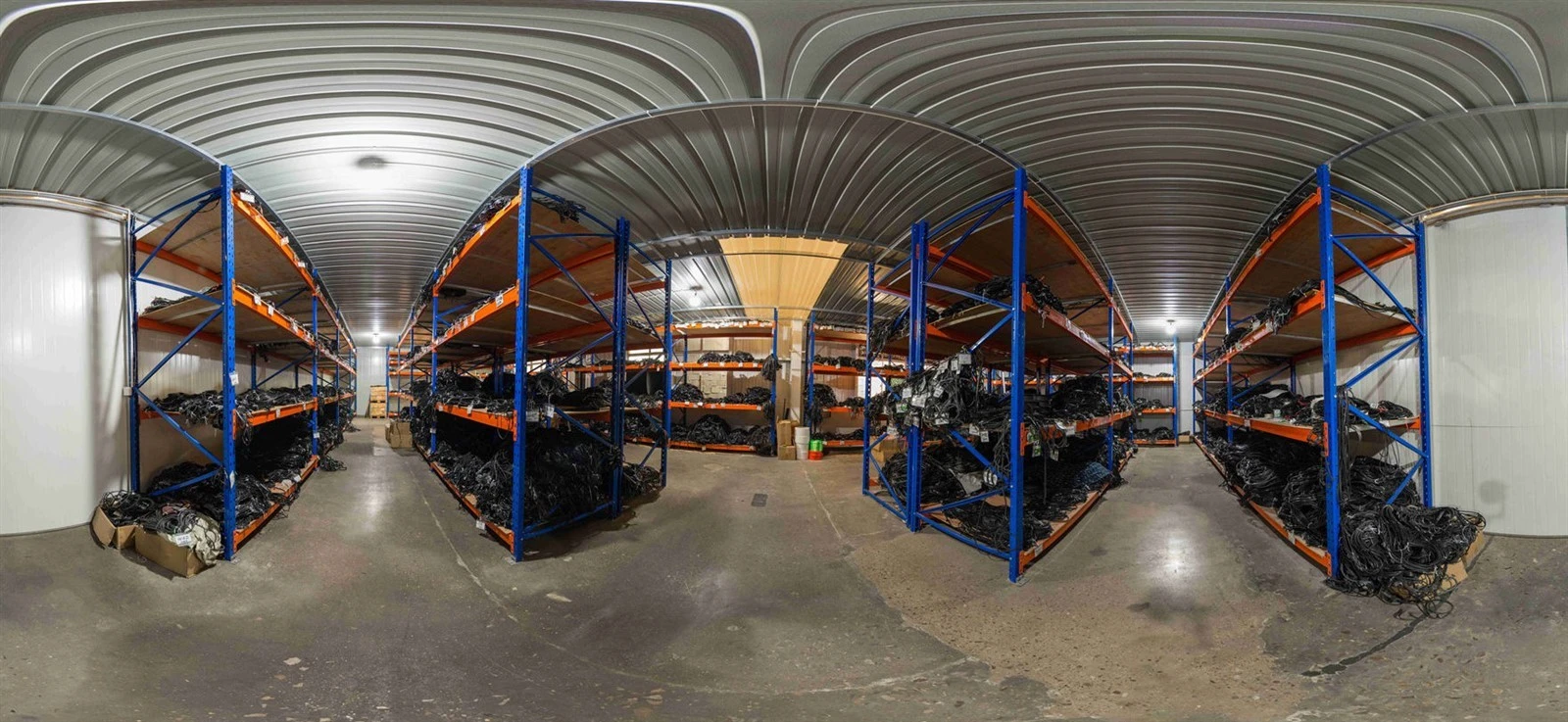
WTSML factory VR archive; order-specific manufacturing and inspection scope requires confirmation.
Need Clip-On or Glued Replacement Gaskets?
Send your plate model, gasket photographs, retention details and operating conditions to WTSML for identification and quotation review.
Request Gasket Matching Support →Five Questions Before Approving Gasket Supply
1. Can a clip-on gasket replace a glued gasket?
Only if the exact plate design and replacement arrangement support that change. Do not assume the two systems are interchangeable.
2. Does the gasket material determine the retention method?
No. Elastomer formulation and attachment geometry are distinct specifications.
3. Can old adhesive always be removed with a solvent?
No. Cleaning chemistry and removal methods must be compatible with the plate material and approved procedure.
4. Are all clip-on systems identical?
No. Tab shapes, positions and fastening details vary between equipment designs.
5. What should I send when the original gasket type is unknown?
Provide equipment identification, full seal photographs, detailed groove images, measurements and a sample where practical.