Choosing between 316L stainless steel, titanium and 254 SMO for a plate heat exchanger is primarily a corrosion and operating-condition decision. 316L is widely considered for suitable industrial fluids; titanium is an important option for many seawater duties; and 254 SMO provides a higher alloyed stainless steel option for selected demanding chloride environments.
None of these materials is universally suitable. The correct decision requires complete fluid chemistry, temperature, cleaning conditions and model-specific plate manufacturing confirmation.

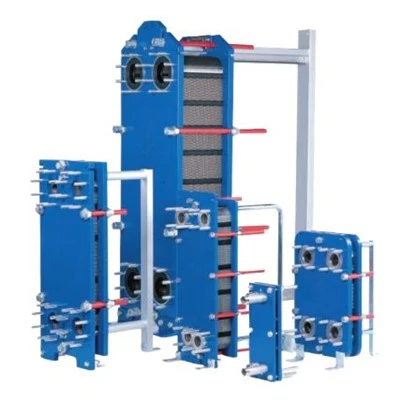
General formed plate reference. Material grade cannot be confirmed from appearance alone.
Comparing 316L, Titanium and 254 SMO Plate Materials
| Material | Main Selection Consideration | Important Limitation |
|---|---|---|
| AISI 316L | Widely used stainless steel for compatible industrial water and process applications. | Chloride pitting and crevice corrosion remain possible under unfavorable conditions. |
| Titanium | Important candidate for many seawater and chloride-bearing cooling applications. | Chemical resistance is not universal; exact titanium grade and process chemistry matter. |
| 254 SMO | Super-austenitic stainless steel with enhanced resistance to certain chloride-induced corrosion mechanisms. | Service limitations, product form, cost, plate-forming feasibility and availability must be checked. |
Selection principle: There is no universal chloride concentration at which one alloy automatically becomes the correct choice. Temperature, pH, oxidizing conditions, deposits, crevices and cleaning exposure can change the corrosion risk.
When Is 316L Stainless Steel an Appropriate Plate Material?
AISI 316L is a low-carbon, molybdenum-bearing austenitic stainless steel. It is frequently specified for plate heat exchangers used with compatible water, HVAC and industrial process fluids.
It is important not to confuse general corrosion resistance with complete resistance to chloride-induced attack. In water containing chlorides, especially where temperature, deposits or local chemistry create unfavorable conditions, pitting and crevice corrosion may still occur.
Before Selecting 316L
- Confirm chloride concentration and water treatment additives.
- Record normal and peak operating temperatures.
- Review pH, deposits, stagnant zones and corrosion history.
- Identify the cleaning chemicals, concentration and exposure conditions.
Why Is Titanium Often Considered for Seawater Cooling?
Titanium develops a protective oxide film that provides excellent resistance in many naturally aerated seawater environments. This makes it a common material candidate for selected marine cooling and chloride-bearing process duties.
However, seawater resistance does not establish compatibility with every chemical environment. Certain reducing conditions, aggressive chemical mixtures, fluoride-containing media or unusual cleaning conditions may require additional review.
A replacement titanium plate must also match the existing frame and plate pack. Changing the alloy does not eliminate the need to verify pressed geometry, plate thickness, ports and gasket compatibility.
What Makes 254 SMO Different from Conventional Stainless Steel?
254 SMO, commonly associated with UNS S31254, is a high-alloy austenitic stainless steel containing substantially more molybdenum and nitrogen than conventional 316L.
This alloying contributes to improved resistance to certain forms of pitting and crevice corrosion. It is considered for demanding applications where conventional stainless grades may not provide sufficient corrosion performance.
The suitability of 254 SMO for a heat exchanger plate still depends on the actual conditions. The alloy must also be available in the required sheet form and thickness and suitable for the specified pressing geometry.
Material identification: "254 SMO" identifies a material family, not proof that a particular replacement plate has been manufactured from that alloy. Material specification and supporting documentation must be agreed for the order.
Four Corrosion Conditions That Buyers Should Investigate
Localized Plate Perforation
Small, deep corrosion sites can develop in susceptible alloys and may eventually cause through-wall leakage. Record location and fluid exposure.
Deposits and Gasket Areas
Restricted areas beneath deposits or near sealing interfaces may develop local conditions different from the bulk liquid.
Corrosion and Cracking
Temperature, tensile stress and an unfavorable chemical environment can contribute to stress-corrosion cracking in susceptible materials.
04 · Cleaning-Related Attack
Chemical cleaning conditions can differ significantly from normal operation. An alloy suitable for the process liquid may be damaged by an incompatible cleaning agent, concentration or temperature.
Do not automatically replace a corroded plate with the same material before investigating the underlying failure mechanism.
How to Specify a Corrosion-Resistant Replacement Plate
- Identify the existing exchanger brand, model and plate position.
- Confirm the original plate alloy from markings, documentation or material verification.
- Photograph corrosion damage on both plate faces before selecting a new grade.
- Record hot-side and cold-side fluid chemistry and concentration ranges.
- Include temperature, pressure, flow and cleaning conditions.
- Verify the proposed material, plate geometry, thickness and gasket compatibility together.
- Define the quantity, destination and required material documentation.
Review our heat exchanger plates , Tranter titanium replacement plates , marine cooling applications and heat exchanger gaskets for related equipment and replacement requirements.
Heat Exchanger Plate Material FAQ
Is 316L stainless steel suitable for seawater?
Direct seawater use requires careful corrosion assessment. 316L is susceptible to pitting and crevice corrosion under certain chloride conditions, particularly where temperature or deposits increase risk.
Is titanium always better than stainless steel?
No. Titanium offers excellent corrosion resistance in many seawater duties but is not universally compatible with every chemical environment. The complete service conditions must be reviewed.
What is 254 SMO used for in plate heat exchangers?
254 SMO is a highly alloyed stainless steel option considered for selected demanding chloride environments. Suitability and availability must be checked against the actual fluid duty and plate configuration.
Can I change plate material without replacing the gaskets?
Gasket suitability must be reviewed independently. A material change may be considered only when the metal geometry, sealing interface, elastomer compatibility and complete operating conditions are confirmed.
What information should I send for a plate material review?
Send the exchanger model, original plate material, complete fluid chemistry, operating temperatures, pressures, cleaning agents, corrosion history, plate photographs and required quantity.
Request a Heat Exchanger Plate Material Review
If your existing plates are corroded or you are evaluating another alloy, send the exchanger model, fluid data, plate photos, dimensions, operating conditions and requested quantity. Material suitability and replacement compatibility can then be reviewed before quotation.
Submit Material & Plate Details