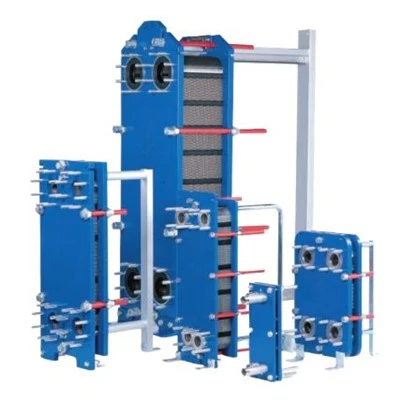
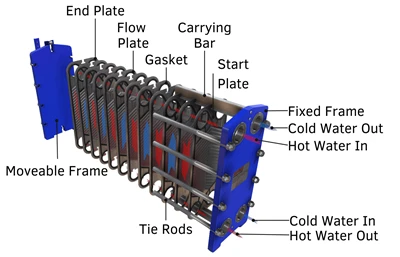
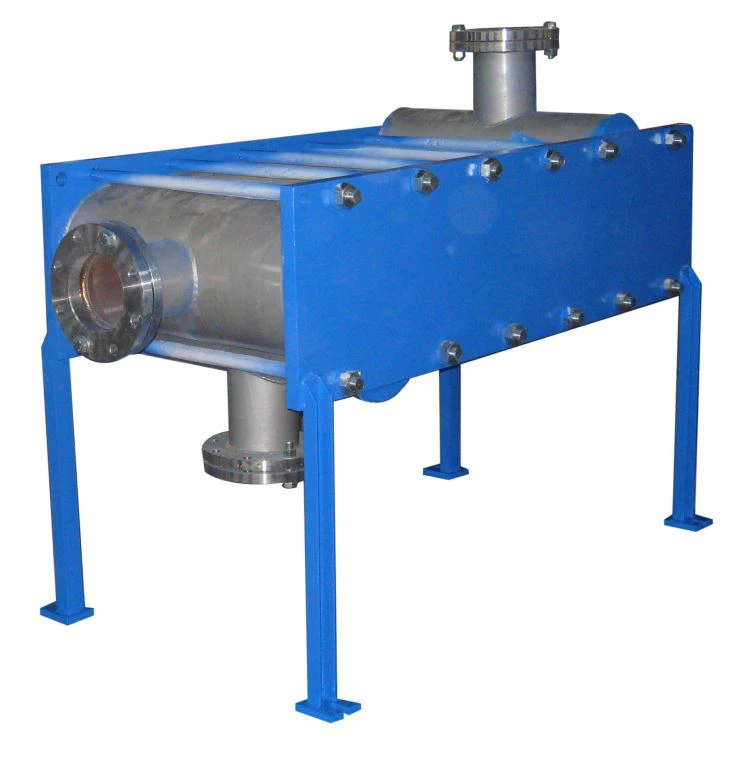
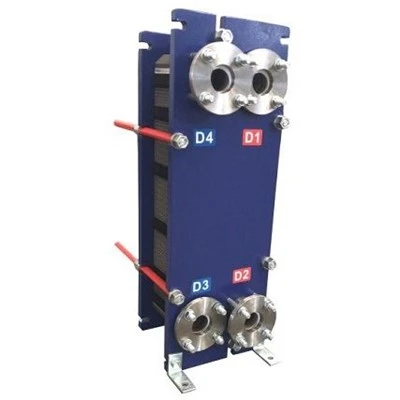
In heat exchanger equipment, gaskets are critical sealing elements, ensuring the sealing performance of the heat exchanger during operation. Depending on the operating environment and requirements, heat exchanger gaskets come in various forms.
Metal Gaskets
Metal gaskets are primarily made of metallic materials, such as stainless steel, copper, and aluminum. These gaskets possess high temperature and pressure resistance, making them suitable for high-temperature and high-pressure heat exchanger environments. Metal gaskets also have good elasticity and corrosion resistance, effectively preventing media leakage.
Non-metallic Gaskets
Non-metallic gaskets are primarily made of non-metallic materials, such as rubber, asbestos, and polytetrafluoroethylene (PTFE). These gaskets offer good flexibility and sealing performance, making them suitable for low-temperature and low-pressure heat exchanger environments. Non-metallic gaskets also have good oil and acid/alkali resistance, making them suitable for sealing corrosive media.
Composite Gaskets
Composite gaskets are gaskets composed of a combination of metallic and non-metallic materials. It combines the advantages of both metal and non-metal gaskets, possessing the high-temperature and high-pressure resistance of metals while retaining the oil and acid/alkali resistance of non-metals. Composite gaskets are suitable for complex and variable heat exchanger environments and can meet various sealing requirements.
In summary
Heat exchanger gaskets come in a variety of forms, and selecting the appropriate gasket is crucial to ensuring the normal operation of the heat exchanger. When selecting a gasket, a comprehensive consideration must be given to factors such as the actual operating environment of the heat exchanger, the properties of the medium, and the sealing requirements.