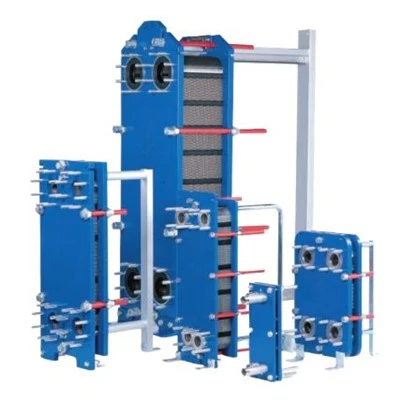
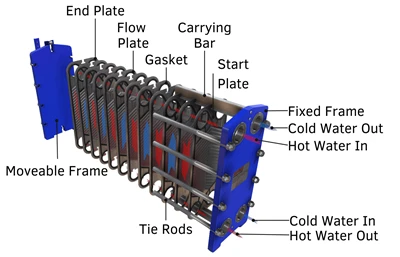
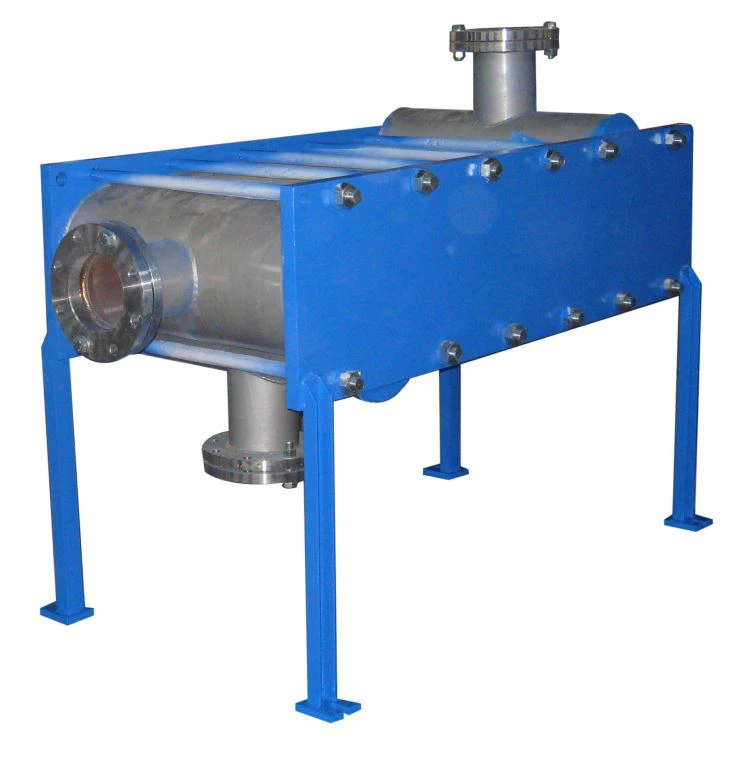
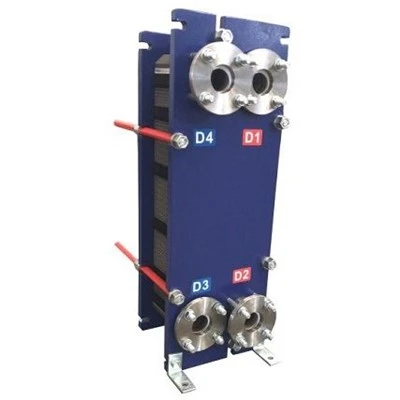
The gasket structure design directly affects sealing performance and service life. Common types include single-sided seals, double-sided seals, and anti-misalignment designs with positioning holes. The latter effectively avoids installation deviations and improves sealing consistency.
Regarding materials, EPDM is suitable for water, steam, and weakly acidic environments; NBR has excellent oil resistance and is suitable for lubricating oil systems; while FFKM is used for strong acids, strong alkalis, or high-temperature conditions. Food-grade applications require materials certified by NSF or FDA to ensure no harmful substances are released. Furthermore, gasket surfaces are often coated with an anti-stick coating for easy disassembly and replacement.
During maintenance, the frequency of gasket replacement depends on operating conditions and the rate of material aging. It is recommended to regularly check the tightening force and sealing surface condition, and assess sealing performance in conjunction with pressure differential changes. Using specialized installation tools can reduce human error and improve assembly quality.
As industrial systems demand higher energy efficiency and reliability, removable heat exchanger gaskets are evolving towards higher performance and longer lifespans. Intelligent monitoring systems can also integrate gasket condition warning functions to achieve predictive maintenance.