


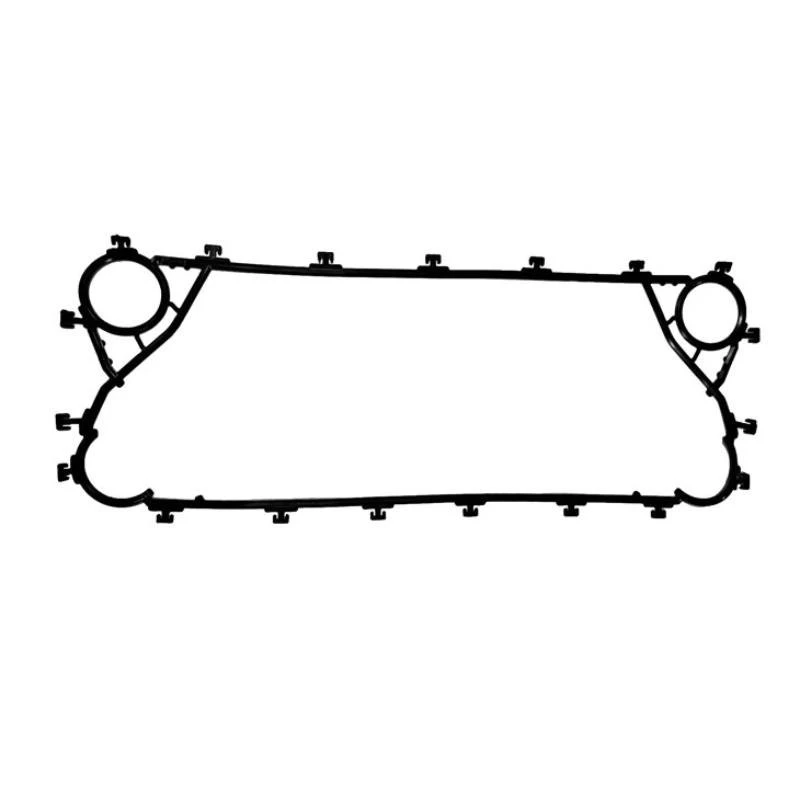
Funke Plate Heat Exchanger Gaskets
A Gasket Ages Even When It Doesn't Leak
Many maintenance teams wait until a plate heat exchanger starts leaking before ordering replacement gaskets. While this approach may seem economical, it often leads to emergency shutdowns, rushed purchasing decisions and avoidable production losses.
In reality, gasket performance begins to decline long before visible leakage appears. Heat, pressure fluctuations, chemical exposure and repeated compression gradually reduce the gasket's ability to maintain a reliable seal.
WTSL manufactures replacement gaskets compatible with Funke plate heat exchangers and supports customers in planning maintenance before sealing problems interrupt production.
Understanding the Gasket Lifecycle
A plate heat exchanger gasket passes through several stages during its service life.
Installation
A correctly manufactured gasket should fit securely within the plate groove, allowing even compression across the plate pack.
Stable Operation
During normal service, the gasket maintains sealing pressure while exposed to operating temperatures, fluid pressure and cleaning cycles.
Progressive Aging
Over time, elastomer properties begin to change. The gasket may harden, lose elasticity or show signs of permanent compression.
Maintenance Decision
Waiting until leakage becomes visible is not always the best strategy. Regular inspection often reveals deterioration before production is affected.

Signs That Replacement Should Not Be Delayed
Routine inspections can identify early warning signs.
Look for:
- Surface cracking around ports
- Hardened sealing edges
- Permanent deformation
- Swollen rubber sections
- Loose locking clips
- Chemical discoloration
- Difficulty during plate opening
Replacing gaskets at this stage is usually more cost-effective than responding to an unexpected shutdown.
Material Selection Throughout the Equipment Lifecycle
Operating conditions often change over the lifetime of a heat exchanger.
For example:
- A production line may switch to a different process fluid.
- Cleaning procedures may become more intensive.
- Operating temperatures may increase after process upgrades.
For this reason, the original gasket material is not always the best choice for the next maintenance cycle.
Our engineers evaluate current operating conditions before recommending EPDM, NBR, FKM (Viton) or other suitable elastomers.
Replacement Gaskets Manufactured for Consistency
To support reliable maintenance, WTSL controls key production parameters including:
- Mould accuracy
- Rubber compound consistency
- Dimensional verification
- Profile inspection
- Batch traceability
- Final quality checks
These measures help ensure that each replacement gasket is compatible with the intended Funke plate heat exchanger model and performs consistently during installation.
Let's Plan Your Next Maintenance Window
Whether your heat exchanger is due for routine servicing or approaching the end of its current gasket life, early planning helps reduce downtime and avoid last-minute procurement issues.
Send us your Funke plate heat exchanger model, operating conditions or photos of the existing gasket. WTSL will help verify compatibility, recommend the appropriate material and prepare replacement gaskets that fit your maintenance schedule.
Hot Tags: funke plate heat exchanger gaskets, China funke plate heat exchanger gaskets manufacturers, suppliers, Funke EPDM Gaskets, funke gaskets, Funke NBR Gaskets, Funke Plate Heat Exchanger Gaskets, Funke Replacement Gaskets, heat exchanger gaskets